Buy the wiper blade that fits your exact vehicle before you worry about its marketing. For most drivers who want a durable beam blade, Bosch ICON is the sensible first place to look—provided the part number is listed for your vehicle and wiper-arm connector. Its beam construction, dual tension springs, aerodynamic spoiler, and weather-shielded connector address the things a front blade has to do: follow curved glass, stay planted at speed, and keep slush out of the attachment point. It costs more than a conventional blade, and it is not a universal answer for every arm style.
Different conditions call for different choices. The TRICO ExactFit Conventional is the easier, lower-cost replacement when a vehicle-specific pre-attached adapter is the priority. The Rain-X Latitude Water Repellency 2-in-1 adds a water-repelling treatment as the blade runs. For a car that genuinely faces snow and ice, Bosch SnowDriver has a winter-focused design tested by Bosch at -20°F. None of those names excuses a fitment mistake. Driver and passenger blades are often different lengths, the rear blade can use a different connector altogether, and a blade that is merely the right length can still be wrong.
How SuperGrail is supported: We may earn a commission when you buy through an Amazon link. That does not change our recommendations.Quick picks
| Pick | Buy it for | Skip it if |
|---|---|---|
| Bosch ICON | Regular rain, highway driving, and an all-weather beam blade that is listed for your vehicle. | Your car needs a factory-specific connector that ICON does not support or you want the least expensive replacement. |
| TRICO ExactFit Conventional | A straightforward OE-style replacement with a pre-attached vehicle-specific adapter. | You want the low-profile beam design common on newer vehicles. |
| Rain-X Latitude Water Repellency 2-in-1 | Frequent rain and a windshield treatment applied through normal wiping. | You do not want a blade that requires an activation step on the glass. |
| Bosch SnowDriver | Regular winter weather, provided the part number matches your vehicle. | You live where snow and ice are rare and a normal beam blade is enough. |
The all-weather pick: Bosch ICON
Bosch ICON is a premium beam blade worth considering for the driver who wants to replace a worn front pair with a more substantial all-weather setup. Bosch uses a beam structure rather than a conventional exposed frame. Inside, its dual precision-tensioned steel springs are meant to follow the curvature of the windshield, and its asymmetric spoiler provides downward force along the blade. The practical benefit is even contact across a curved windshield, particularly at road speed.
Bosch also lists ClearMax 365 rubber technology and a weather-shielded connector designed to resist snow and ice buildup around the arm connection. The company says the rubber can provide up to 40% longer performance life than other premium blades; treat that as a manufacturer comparison, not a promise that every car will get the same replacement interval. Sun, parked location, washer fluid, road grit, glass condition, and how often the blades run all change their useful life.
The most important limitation is fitment. ICON part numbers use different connector arrangements, and not every car’s arm or rear window accepts one. Use Bosch’s fitment catalog or the vehicle manual to identify the driver-side length, passenger-side length, and connection type before you order. A 24-inch blade that clips onto the arm badly is not an acceptable substitute for a 24-inch blade that matches the vehicle.
Buy ICON if the catalog lists it for your front wipers and you value a beam blade’s low, even-pressure profile. Do not buy it simply because it is premium. A conventional or direct-fit blade can be the better decision for an older vehicle with a specific attachment or for a driver who wants a quick, low-cost maintenance replacement.
The exact-fit value pick: TRICO ExactFit Conventional
TRICO ExactFit Conventional is the right kind of recommendation when “I want the blade that goes back on without adapter guesswork” is the whole brief. TRICO describes these blades as OE-style replacements with a vehicle-specific adapter already attached. They are offered from 10 to 28 inches and use a conventional steel frame. That is not outdated by default. A conventional frame is still a good fit for many vehicles, especially when the arm was designed around it.
The advantage is installation confidence. A universal blade can include a small pile of adapters, each plausible enough to make the job annoying. ExactFit’s pre-assembled connection narrows the decision: enter the vehicle, choose the assigned blade, and match the side. It also suits drivers who are replacing a single damaged or noisy blade rather than rebuilding the car’s wiper setup with an upgrade.
The compromise is exposure. A conventional frame has more joints and less of the clean, continuous profile of a beam blade. That does not mean it cannot wipe well, but it gives snow and grime more places to collect. It is not the first pick for a driver who frequently deals with ice, wet snow, or high-speed rain and wants a more streamlined front blade. It is the sensible pick for matching a car’s original style and simplifying installation.
The rain-focused pick: Rain-X Latitude Water Repellency 2-in-1
Rain-X Latitude Water Repellency 2-in-1 is for drivers who want the blade to do two jobs: clear the windshield and transfer a water-repelling treatment to it. Rain-X says the coating moves from the squeegee to the glass during initial use, encouraging water to bead and move off the windshield. Its Latitude Water Repellency model uses a beam construction and a universal adapter for most vehicles.
That coating function is useful only when it is activated as directed. Rain-X recommends running the wipers for two minutes on a clean windshield, wet or dry, to activate the water-repelling action. Do that deliberately after installing the blades rather than waiting for a downpour to test them. If the windshield has oily road film, old wax, or residue, clean the glass first. A treated blade cannot compensate for a dirty surface.
The trade-off is simplicity. Some drivers would rather use a standard blade and maintain their preferred glass treatment separately. The Rain-X approach puts the two tasks together, which is convenient for frequent wet-weather driving but adds a step and a variable to installation. It is a useful specialty pick, not a necessary upgrade for dry climates or a replacement for correct washer fluid and clean glass.
The winter pick: Bosch SnowDriver
Bosch SnowDriver is the purpose-built option for drivers who regularly face snow, ice, and deep cold. Bosch lists a patented beam design with a grooved aerodynamic spoiler intended to protect against snow and ice buildup. The company says the line is tested to perform at -20°F. That makes it a more credible seasonal choice than buying a generic blade because the packaging shows a snowflake.
Buy SnowDriver after confirming the exact part number in Bosch’s vehicle lookup. Winter blades still need the correct length and connector, and the rear wiper should be treated as a separate application. A rear arm often takes an OE-style blade with a bespoke plastic mounting piece, not a scaled-down version of the front blade. Check that part independently before adding it to the cart.
The limitation is obvious: a dedicated winter blade is a specialized expense if the car rarely sees winter conditions. In a mild, rainy climate, ICON or another correct-fit beam blade is the better all-season purchase. In heavy snow country, the winter design earns consideration because it addresses the packed slush that can stop a conventional frame from flexing freely.
There is no need to install a winter blade for one forecast or a single ski weekend. The case is stronger when freezing precipitation and road spray are part of your normal season. Keep the original packaging or record the part numbers when you change blades; it makes a seasonal swap much less likely to become a guessing game next year.
Fit comes before brand
Start with the vehicle year, make, model, and trim. Some model years have mid-year changes; some trims use different arms or glass. Then identify the location: driver front, passenger front, or rear. Do not assume the two front blades match in length. On many cars the driver side is longer, and putting the longer blade on the passenger side can cause it to overlap the windshield edge or collide with the other blade.
Next, identify the arm connection. Common styles include J-hook, side pin, pinch tab, top lock, and bayonet-style connections. They are not interchangeable. A universal blade may have adapters for several of them, but the correct adapter should lock positively with no wobble. If the new blade moves loosely on the arm, will not click into place, or needs force that feels wrong, stop and re-check the fitment rather than driving with a doubtful installation.
Check the rear blade separately. The rear glass may use an integrated arm-and-blade assembly or a connector that standard front-blade packaging does not cover. The safest way to order is to use the manufacturer’s vehicle lookup and compare the assigned part numbers with the old blades before opening the packaging.
Beam, conventional, and hybrid blades
A conventional blade has a metal or plastic frame with multiple pressure points along the rubber refill. It is often inexpensive and appropriate for vehicles designed around that shape. The exposed structure is its main limitation in winter: snow and ice can collect around the pivots, interfering with contact.
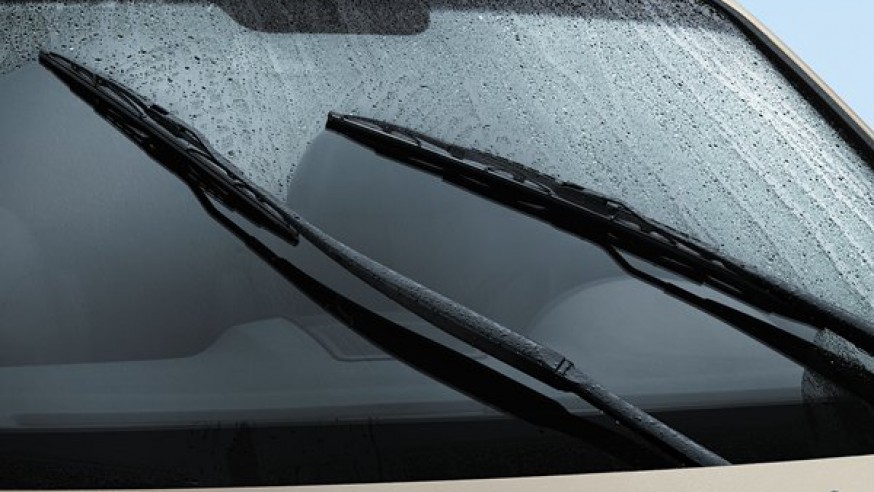
A beam blade uses a one-piece, curved spine that distributes pressure more continuously. Its lower profile and enclosed form make it a common choice for newer windshields and tough weather. Beam does not mean universally superior; it has to match the windshield curve and arm connection. It is usually the better direction for a current car that specifies a beam blade or a driver who wants a cleaner all-weather profile.
A hybrid blade covers a conventional-style support with an aerodynamic shell. It sits between the two designs in appearance and can be a useful option when listed as the correct replacement. Do not choose by silhouette alone. The blade’s catalog fit and the condition of the wiper arm matter more than a category label.
When to replace windshield wipers
Replace blades when they streak, chatter, skip, leave an unwiped band in your normal line of sight, or show cracked, torn, or permanently bent rubber. You do not need to wait for a calendar reminder if the blade is clearly failing. Visibility is the relevant standard. A blade may look acceptable in a driveway test yet smear badly under road spray at night, so pay attention during the first wet drive after a season change.
Before replacing a blade, wipe the rubber edge with a damp cloth and clean the windshield. Dirt can create temporary streaking and can scratch the glass if the wipers are run dry. That maintenance does not repair rubber that has hardened, split, or lost its edge. It does help a good blade work as intended and makes a new one last longer.
Never use the wipers as ice scrapers. Defrost the glass, brush off snow, and free the blades before switching them on. Forcing a frozen blade across the glass can tear the rubber, strain the wiper motor, or damage the arm. If winter preparedness is on your mind more broadly, our guide to jumper cables covers another simple item that is easier to buy before you need it.
Installing blades without making a mess
Lift one wiper arm at a time and place a folded towel on the glass under it. The towel is cheap insurance if the spring-loaded arm slips while the blade is off. Release the old blade according to its connector style, compare it with the new one, attach the correct replacement, and lower the arm gently. Do not let a bare metal arm snap against the windshield.
After both front blades are installed, test them with washer fluid. Watch for clean travel, full contact, and no collision between the blades. On a Rain-X Latitude Water Repellency blade, follow the activation directions on a clean windshield. On any blade, investigate an immediate clunk, skipped arc, or a blade that sits at an odd angle. A mechanical issue at the pivot or arm is not something the rubber edge can solve.
Keep the windshield part of the maintenance
A clean blade works best against clean glass. Road film, tree sap, wax residue, and insects can all interfere with a smooth wipe. Use a glass-safe cleaner and clean microfiber towel, then rinse off any cleaner that could leave a film. Avoid adding household products not meant for automotive glass. If you are washing the car, our guide to car wash soap can help you choose a wash product that is appropriate for painted surfaces; keep it away from the wiper edge and rinse the windshield well.
Also pay attention to the windshield itself. A small chip, pitted area, or damaged wiper arm can cause recurring streaks even with a new blade. Replacing blades repeatedly without checking the glass or arm wastes money. If the new blade is correct and still wipes poorly in the same spot, inspect the glass and arm rather than trying a more expensive blade at random.
What we considered
We compared current manufacturer documentation for blade construction, connection approach, fitment guidance, weather-related features, and installation requirements. We selected products that solve distinct problems: a premium beam setup, a direct-fit conventional replacement, water-repelling treatment, and winter use. We checked that those products could be found on Amazon at the time of this update. We did not conduct independent durability, wipe-pattern, freezing, or road-speed tests, and manufacturer performance claims are presented as such.
Windshield wiper questions answered
Are both front wiper blades the same size?
Often they are not. The driver and passenger sides can have different lengths, and each should be selected for its position. Verify both in the vehicle-specific fitment lookup.
Can I use any blade with the correct length?
No. The arm connection and windshield application matter as much as length. A blade needs the correct connector and enough clearance to sweep its intended path without interference.
Should I replace the rear wiper at the same time?
Replace it when it shows the same signs of wear or before a season when you will rely on it. Order it separately, because rear blades often use a different connection and are not always included in a front pair.
Why do new wipers streak?
Check for residue on the windshield, the wrong connector, an arm that is bent or has weak spring tension, or a blade that is not the specified length. New rubber cannot correct a mechanical or glass problem.
The practical choice
Use Bosch ICON for a vehicle-listed, premium all-weather beam blade. Use TRICO ExactFit Conventional when an OE-style, pre-attached connector makes the replacement easier. Choose Rain-X Latitude Water Repellency if the blade-applied treatment is genuinely useful for your wet-weather driving, and reserve Bosch SnowDriver for real winter conditions. The best blade is the correct part, installed cleanly, before poor weather gives you a reason to regret waiting.