A flashlight is easy to buy badly because the biggest number on the package is usually the least useful one. Lumens tell you how much light a flashlight can produce at its brightest setting, but they do not tell you how long that setting lasts, how far the beam reaches, whether the light makes colours look natural, or whether you will have a battery ready when the power goes out.
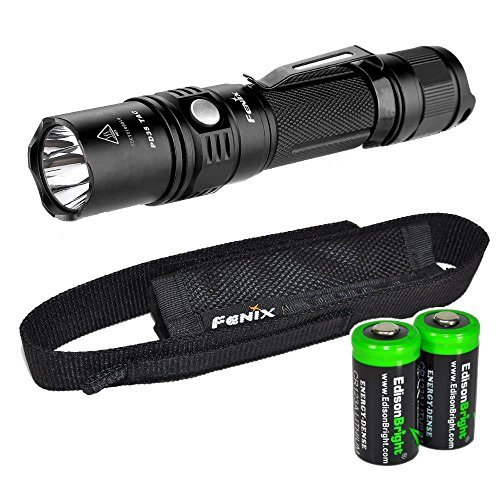
For most people, we recommend the Fenix PD36R Pro. It is a rechargeable, USB-C light with a 5,000-mAh battery and a long low-mode runtime, suitable for a car, home kit, or outdoor use. If you want a smaller light that accepts familiar batteries in an emergency, choose the Streamlight ProTac 1L-1AA. If seeing wiring, paint, food, or repair details accurately is more important than extreme throw, the Wurkkos FC11C is the high-colour-rendering rechargeable option to consider.
The right flashlight is the one you can find, operate, and power when you need it. That means choosing a sane beam, a realistic battery plan, and a home for the light—not collecting the most spectacular specification.
Our picks at a glance
- Best flashlight for most people: Fenix PD36R Pro. A USB-C rechargeable 21700-battery flashlight with a 5,000-mAh cell and a stated runtime up to 42 hours on lower modes.
- Best small multi-fuel flashlight: Streamlight ProTac 1L-1AA. A compact light that runs on one CR123A or AA battery, including AA lithium, with a selectable low mode intended to last longer.
- Best rechargeable light for close work: Wurkkos FC11C. A USB-C rechargeable, magnetic-tail flashlight with a Nichia 519A LED and a stated 1,200-lumen maximum.
- Best home setup: one flashlight where you sleep, one where you keep emergency supplies, and one in the car—each with a confirmed battery plan. A single excellent flashlight in an unknown drawer is not a system.
Best flashlight for most people: Fenix PD36R Pro
The Fenix PD36R Pro is the practical choice for people who want one capable rechargeable flashlight rather than a pile of novelty lights. It uses a 5,000-mAh battery, charges with USB-C, and has a stated maximum runtime of up to 42 hours. Fenix rates it IP68, meaning it is designed to resist dust and immersion in water under the company’s stated conditions.
That combination is more useful than an impressive peak-lumen number. USB-C means you can recharge the light with the same general charging setup used for phones and many travel devices. A 21700-size rechargeable cell gives the light meaningful capacity. And a proper low mode is what makes a flashlight useful during a blackout: you need enough light to move around the house for hours, not a brief blast of brightness that drains the battery or ruins everyone’s night vision.
The PD36R Pro makes sense in a home emergency drawer, car, workshop, or camping box. It is larger than a keychain light and more capable than a cheap plastic torch. The trade-off is that it is also more flashlight than a person needs for reading a menu in a dark restaurant. Keep it where its size and power are an advantage, and add a smaller light only if you will genuinely carry it.
Before relying on any rechargeable flashlight, charge it fully, learn how it signals low battery, and store it in the place you will look first. Recharge it on a schedule—twice a year is a simple starting reminder—or after a meaningful use. A flashlight does not become emergency equipment merely by being purchased.
Best small multi-fuel flashlight: Streamlight ProTac 1L-1AA
The Streamlight ProTac 1L-1AA is the right choice when battery flexibility matters more than charging convenience. It accepts one CR123A lithium battery, one AA alkaline battery, or one AA lithium battery. Streamlight includes a CR123A and AA alkaline battery with the light, and its low setting runs for up to 14 hours with a CR123A or AA lithium cell.
That multi-fuel design is valuable for a glove compartment, a travel kit, or a home where AA batteries are already stocked. It gives you options when you cannot charge a USB-C light. The output varies by battery: the light is brighter with a CR123A than with an alkaline AA, but the main benefit is that one available battery can get you light. This is a sensible kind of redundancy, not an excuse to collect exotic cells without a plan to rotate them.
The ProTac is also compact at about 4.25 inches long and uses a tail switch, reversible pocket clip, and selectable operating programs. It is rated IPX7 for temporary immersion and has a two-metre impact-resistance test rating. Those are useful durability references, but the main reason to buy it is the battery format. A light that can use a common AA is easy to keep functioning during a long outage.
Choose this Streamlight if you prefer a small light with replaceable batteries or want a dependable backup to a rechargeable main light. Do not choose it for maximum brightness; its 350-lumen CR123A high mode is enough for many tasks, but its advantage is flexibility and a long low mode.
Best rechargeable flashlight for close work: Wurkkos FC11C
The Wurkkos FC11C is the choice for people who use a flashlight around the house, in a tool bag, or during close repairs. It has a stated 1,200-lumen maximum, USB-C charging, an 18650 rechargeable battery format, a magnetic tail, and a Nichia 519A LED selected for high colour rendering. High colour rendering makes objects look more natural, which is handy when identifying wire colours, inspecting stains, matching paint, or looking for a dropped item.
The magnetic tail is one of those features that can be genuinely useful. Attach it to a metal shelf, car body, appliance panel, or workbench and you have a hands-free light without turning a handheld flashlight into an improvised mouth-held tool. It is not a replacement for a headlamp when you are moving around, but it is excellent for a stationary repair.
Use the FC11C as a work light or everyday household light, not as the only flashlight in an emergency plan. The rechargeable cell is convenient, but it requires a charged battery and a working cable. Pair it with either a charged power bank or a replaceable-battery light if resilience is the priority. Our travel power checklist explains how to keep a small charging pouch usable without mixing it up with wet or perishable items.
Lumens, candela, beam distance, and why the package is confusing
Lumens describe total visible light output. Candela describes intensity in a particular direction. Beam distance is calculated from that intensity. A high-lumen flashlight with a broad beam can illuminate a whole room beautifully but may not reach as far down a driveway as a lower-lumen, tighter-beam light. Neither is “better” without a task in mind.
- For home use: a broad, moderate beam and a long low mode are usually more useful than extreme throw.
- For outdoor walking: use enough distance to see the path ahead, plus a low setting for camp or close tasks.
- For finding an address or checking a distant object: candela and a more focused beam matter more.
- For repair work: a wide, even beam and good colour rendering are more comfortable than a tight spotlight.
Ignore marketing that gives only a turbo number and no runtime table. A flashlight is valuable at the output it can sustain, especially in an outage. Look for modes, runtimes, beam pattern, and battery type before comparing maximum lumens.
Rechargeable versus replaceable batteries
Rechargeable lights are convenient and reduce ongoing battery purchases. USB-C is especially useful because the same cable family can serve a phone, power bank, and flashlight. The weakness is planning: an uncharged rechargeable light is just a shaped object. Put it on a calendar, top it up after use, and know where the cable lives.
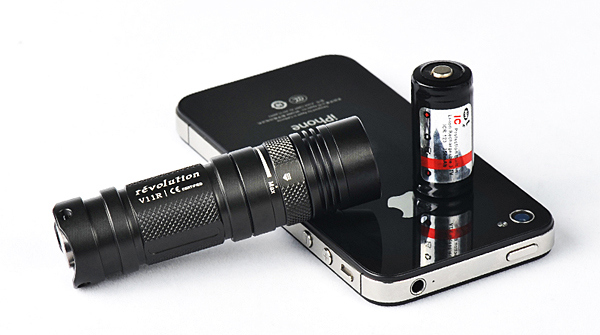
Replaceable-battery lights are less elegant but easier to support with a small stock of cells. AA batteries are widely available; CR123A cells are compact and capable but less likely to be in a corner shop. Lithium primary AAs often store well and work better in cold weather than alkalines, but they cost more. Never mix old and new cells, battery chemistries, or brands in a multi-cell light unless the manufacturer explicitly says it is safe.
The most resilient household setup uses both: a rechargeable main flashlight for normal use, plus a replaceable-battery light and a small, labelled supply of fresh cells. Store batteries out of loose contact with metal objects and check the manufacturer’s storage guidance.
Controls and beam shape decide how pleasant a light is to use
A flashlight’s switch is easy to overlook in a product comparison and impossible to ignore at 2 a.m. Tail switches are easy to find by feel and work well with a firm grip. Side switches are comfortable for changing modes while holding the light up close. Some lights use both: one switch for on and off, another for brightness. That can be excellent once learned, but it can also feel fussy if the light is intended for an occasional household user.
For a home flashlight, favour a control scheme that you can explain in one sentence. Turn it on. Change brightness. Turn it off. Strobe, hidden shortcuts, and complicated electronic lockouts have a place for people who use them deliberately, but they are not the reason most households need a light. Set the light to a useful default mode after you test it, then let everyone who may use it try the switch in the dark.
Beam shape matters just as much. A flood beam spreads light broadly and helps in rooms, close repairs, and camp chores. A throwy beam places more light farther away and is useful for a driveway, trail, or distant address. Most general-purpose lights land somewhere in the middle. Do not expect a narrow spot to illuminate a whole kitchen comfortably, and do not expect a very broad flood light to identify something at the far end of a field.
Multiple brightness levels are more important than a spectacular turbo. Low preserves dark adaptation and stretches a battery. Medium is often the daily work setting. High is for short periods when you need more reach or a wider view. If the manufacturer publishes a runtime chart, look at every level rather than just the maximum. A ten-minute turbo can be enjoyable; a several-hour medium is what makes the light useful.
When a headlamp is the better tool
A handheld flashlight is best when you want to aim light deliberately. A headlamp is better when both hands must work: checking a breaker panel, carrying groceries during an outage, setting up a tent, repairing a car, or walking a dog. A headlamp also keeps the beam pointed where you look, which is less tiring than holding a flashlight in your teeth or wedging it under an arm.
That does not make a headlamp a replacement for every flashlight. Head straps are less convenient for a quick cupboard check, and a bright beam mounted on your forehead can be disruptive in a room with other people. The practical solution is one good handheld light plus one modest headlamp in the emergency kit if you expect hands-free tasks. Use the handheld light as the default and the headlamp when the job requires it.
Build a sensible battery reserve
Keep only the batteries your lights actually use. A labelled case with a few spare AAs or CR123A cells is more useful than a drawer full of half-known batteries. Mark a purchase month on the package, keep cells dry and away from extreme heat, and avoid mixing old and new batteries in the same light. For rechargeable lights, write the charge-check month on a small label or set a recurring calendar reminder.
Do not store loose lithium-ion cells in a pocket, glove box, or kitchen drawer. Their terminals can contact metal objects and create a hazard. Use a proper plastic case. If a battery is damaged, swollen, leaking, or unusually hot, do not keep experimenting with it. Follow local guidance for battery disposal and replace it with the manufacturer-recommended type.
Set up a flashlight system at home
One flashlight is easy to lose. Three lights in predictable places are much more useful. Keep a main light beside the bed, one near the electrical panel or emergency supplies, and one in a vehicle if temperatures and theft risk allow. Add a headlamp if you expect to do hands-free work, such as finding a breaker, setting up a tent, or making repairs.
Tell everyone in the household where the lights live. Put a small label on the drawer or shelf. Avoid storing every light together in a basement box; a blackout is when you want light before walking to the basement. For a broader kit, see our emergency-supplies guide.
Care, storage, and safety
Test each flashlight periodically. Cycle through its modes, check the switch, inspect the charging port or cap gasket, and confirm that the low mode still works. Clean battery contacts if you see corrosion. Do not leave an alkaline-battery flashlight forgotten for years; leaking cells can destroy an otherwise good light.
Do not shine high-output lights directly into eyes, especially at close range. Avoid using a damaged lithium-ion cell, a swollen battery, or a cable that overheats. If a rechargeable flashlight becomes unusually hot while charging, disconnect it and follow the manufacturer’s support guidance. A small amount of warmth can be normal; unfamiliar heat, odour, or damage is not a problem to ignore.
What we would avoid
- A light selected only for turbo lumens. Runtime, beam shape, controls, and battery plan matter more in real use.
- One flashlight for the whole house. Place several modest lights in predictable locations.
- Loose batteries in a drawer or bag. Use a case or original packaging to prevent contact with metal objects.
- A rechargeable light that is never tested. Put charging and function checks on a simple routine.
- A tactical strobe as an emergency plan. A reliable low mode, familiar switch, and safe storage are more useful for most households.
How we chose
We assessed battery flexibility, sustained-use practicality, charging, beam purpose, control simplicity, durability ratings, and whether a light fits a credible home or carry role. The Fenix is the strong rechargeable main light. The Streamlight is the multi-fuel backup that can accept common AA batteries. The Wurkkos is the practical high-colour-rendering work light.
We revisit this guide when battery formats, charging systems, and product availability change. Use the Amazon links as current availability checks rather than fixed price references.
Flashlight questions, answered
How many lumens do I need for a home flashlight?
You rarely need maximum output for indoor use. A reliable low and medium mode are more useful for a blackout, while a higher setting helps for outdoor checks or a large dark space.
Are rechargeable flashlights good for emergencies?
Yes, if you keep them charged and test them. Pair one with a power source or a replaceable-battery backup for a more resilient setup.
Should I choose AA or rechargeable batteries?
Choose rechargeable for routine convenience and AA compatibility for easy replacement. Many households benefit from one of each rather than treating the choice as absolute.
What is a high-CRI flashlight?
It uses an LED chosen to render colours more naturally. It is especially useful for close repairs, inspection, and tasks where a bright but distorted beam would be unhelpful.
How often should I check emergency flashlights?
Test them and check their batteries a couple of times a year, after an outage, and before a trip where you expect to rely on them.