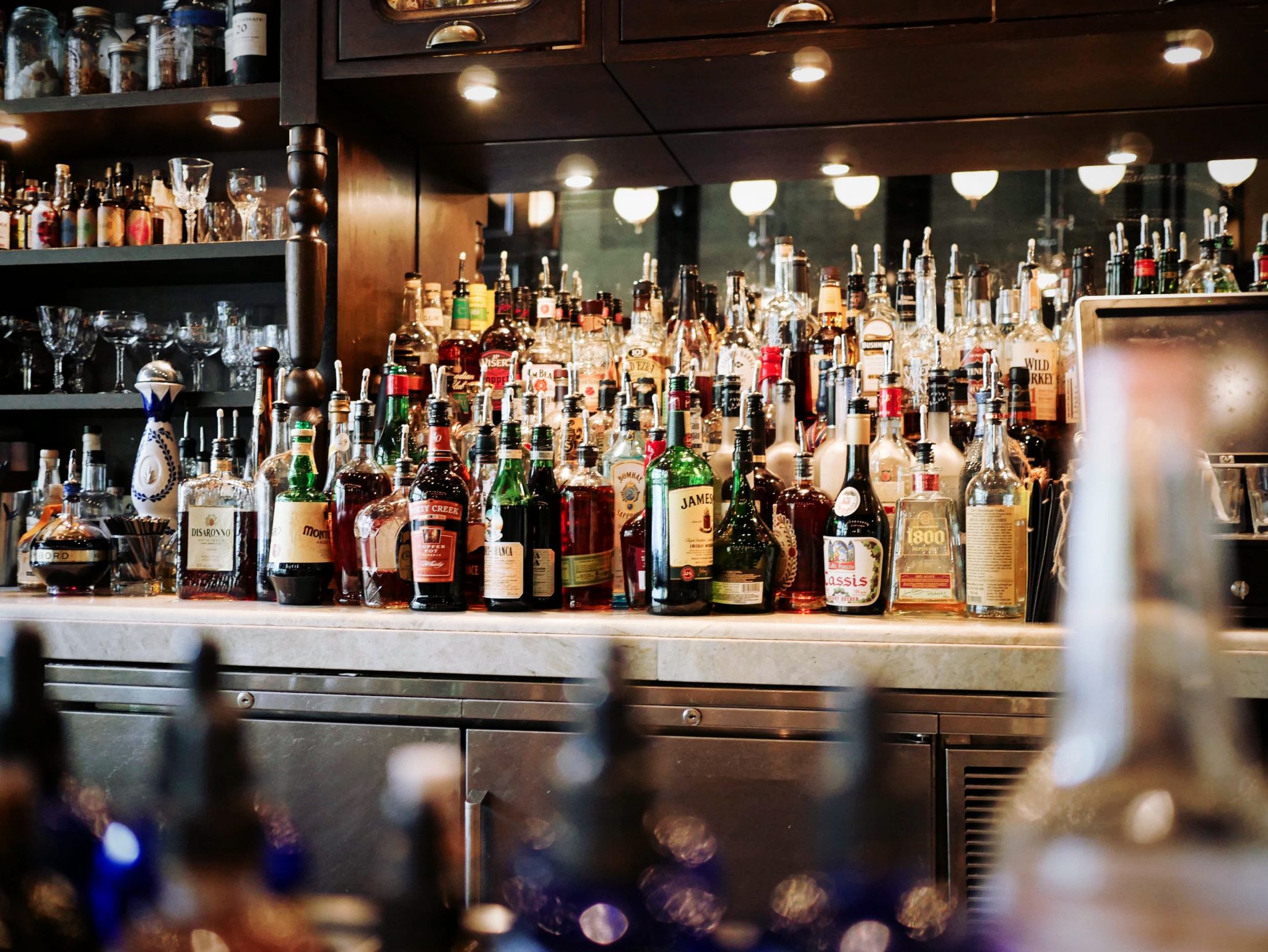
A useful home bar begins with four jobs: measure, shake, strain, and stir. Everything else is optional until those jobs are easy. A set of Koriko weighted shaking tins, a double-sided 1 oz/2 oz jigger, a Hawthorne strainer, and a long bar spoon covers the majority of shaken and stirred drinks without turning a kitchen drawer into a gadget graveyard.
Buy the Koriko tins if you want a durable two-piece shaker that works for one or two drinks. Its 18-ounce and 28-ounce stainless-steel tins nest together; the weighted bases add stability, and the two-piece format avoids the built-in strainer and cap found on a cobbler shaker. If you want the simplest enclosed format, a cobbler shaker is a reasonable alternative, but its cap can seize when cold and its small strainer is harder to clean.
Quick picks
| Job | Pick | Why it earns space | Compromise |
|---|---|---|---|
| Shaken drinks | Koriko weighted tins | 18-ounce and 28-ounce stainless-steel tins form a versatile two-piece shaker. | Requires a separate strainer and a little practice opening the seal. |
| Accurate pours | Japanese-style 1 oz/2 oz jigger | Simple double-sided measure for common recipes. | Less forgiving than a measuring cup if your hand is unsteady. |
| Stirred drinks | Long bar spoon | Reaches the bottom of a mixing glass and helps guide a smooth stir. | It does only one job; buy it after shaker and jigger. |
| Easy home ice | OXO No-Spill ice trays | Sealed lid permits stacking and helps keep freezer odors out. | Small cubes melt faster than large cocktail cubes. |
Buy tools in the order you will use them
First buy a jigger. Recipes are built around ratios, and free-pouring makes a good recipe hard to repeat. A clearly marked 1 oz/2 oz stainless jigger handles the measurements in many classic drinks and takes almost no storage space. Next buy a shaker and Hawthorne strainer for citrus, egg-white, dairy, or other drinks that need aeration. Add a bar spoon and mixing glass only when you start making stirred drinks regularly. Add a juicer, peeler, and ice molds when they solve a problem you keep having.
This order prevents the common starter-kit mistake: buying a decorative stand full of tiny tools before learning what a jigger does. A muddler is helpful for a drink that actually uses fresh herbs or fruit. A channel knife is useful only if you repeatedly make citrus garnishes. A novelty bottle opener never improves a drink. Spend first on accurate measurement, decent ice, and a shaker that does not leak.
Best shaker for a small home bar: Koriko weighted tins
The Koriko weighted shaker set is the right starting point for someone who plans to make sours, margaritas, daiquiris, espresso drinks, or other shaken cocktails. Cocktail Kingdom specifies the pair as an 18-ounce small tin and a 28-ounce large tin in stainless steel. The tins seal together when shaken with ice, then separate with a firm tap at the right spot. Their weighted bottoms are designed to add stability while pouring.
Two-piece tins are not magical. They need an external Hawthorne strainer, and a new user needs to learn to leave enough headroom, create the seal cleanly, and release it without brute force. The payoff is a wide opening that is easy to wash and plenty of space for a two-drink shake. Stainless steel is also the sensible finish for a first kit: plated copper, gold, and painted tools can look good, but they add care requirements and cost without changing the drink.
Choose a cobbler shaker instead if a built-in cap and strainer sound more approachable and you expect to make one drink at a time. Do not buy a multi-piece “bartender kit” just for the stand. A simple tin set, strainer, jigger, and spoon will last longer in rotation than a crowded bundle of thin tools.
Measure before you shake
A Japanese-style jigger is the smallest tool with the biggest effect on consistency. A 1-ounce/2-ounce model covers the main measures in many recipes. Look for readable internal marks if you use three-quarter-ounce or half-ounce pours often. Avoid treating a shot glass as a universal measure; its capacity and markings are inconsistent, and an extra splash changes a small drink quickly.
Hold the jigger over the shaker or mixing glass, fill it close to the brim, and pour decisively. That method is less messy than trying to guess through a bottle pourer. If you have limited hand control, choose a wider measuring cup or a jigger with a shape you can hold steadily. Accuracy matters more than making a perfect bartender-looking pour.
Stirring requires less equipment than people think
Stirred drinks need cold dilution and a smooth texture, not an elaborate crystal setup. A long bar spoon gives you the reach to move ice around a mixing glass without chipping a short spoon against the rim. A sturdy pint glass can work for a beginner, though a dedicated mixing glass is easier to hold and has room for ice. Use a julep or Hawthorne strainer according to the shape of the vessel; the goal is to retain the ice, not collect specialty strainers.
Do not shake every drink. Citrus, dairy, egg white, and juice benefit from the motion. Spirit-forward drinks whose ingredients are already clear are normally stirred to chill and dilute them without turning them cloudy. The distinction matters more than the brand of spoon. Start with a few recipes and buy the tool they require.
Ice is an ingredient, not decoration
Ice chills, dilutes, and changes the pace of a drink. Fresh freezer ice is enough for most casual home cocktails. The OXO No-Spill tray is a practical home choice because its silicone lid seals water during the trip to the freezer, permits stacking, and keeps odors away from the cubes. It makes fourteen quarter-ounce cubes per tray. That is useful daily ice, not a replacement for a single large clear cube in a slow-sipping drink.
Start with clean, fresh ice and make more than you expect to use. Old exposed ice can pick up freezer odors, and small weak cubes melt before a long shake is finished. You do not need a clear-ice system on day one. Buy a large-cube mold only when you routinely serve drinks over one large cube and have freezer space for it.
Glassware: buy shapes that fit your actual drinks
A home bar does not need six sets of specialized glasses. Start with sturdy rocks glasses for drinks served over ice, tall glasses for highballs, and a simple stemmed glass or small wine glass for drinks served up. The glass should hold the drink comfortably without being so large that a modest pour looks lost. If you already own these household basics, spend the next dollar on ice or a jigger, not on a matching collection of coupe glasses.
Special glassware becomes worthwhile once it solves a hosting problem. A stackable highball set helps when you make gin and tonics for several people. A durable set of rocks glasses helps when the same group often drinks old fashioneds or nonalcoholic spritzes. Coupes look good for drinks served without ice, but they are easy to spill while guests move around. Choose them because you like the ritual, not because a recipe says the glass is mandatory.
Keep nonalcoholic drinks in the plan. The same jigger, shaker, fresh citrus, ice, and glassware make a thoughtful soda-and-bitter drink, a shaken juice drink, or a spirit-free sour easier to prepare. A bar setup that only works for people drinking alcohol is less useful when friends have different preferences or are driving home.
Make one drink well before adding more bottles
Build the tools around a few drinks you will actually make. A daiquiri needs a jigger, shaker, strainer, citrus, sugar, rum, and ice. A martini needs a mixing vessel, spoon, strainer, gin or vodka, vermouth, and cold ice. A highball may need only a jigger, a glass, ice, spirit, and a mixer. Each drink tells you what to buy next much more honestly than a social-media bar cart.
Keep the first recipes short. Learn the ratio, taste it, and note what you would change next time. If a drink is too sharp, adding a random liqueur does not solve the problem; revisit the measured sweet, sour, and spirit components. If a drink feels watery, use better ice or shake and stir for the appropriate time before assuming you need a new shaker. A small notebook or recipe card prevents the common problem of making one good drink and being unable to repeat it.
For coffee-based drinks, measure the espresso or coffee component and make sure the shaker is appropriate to the recipe. Our cold-brew coffee guide is useful if that is a regular part of your home setup. For gatherings that lean more toward wine or table drinks than cocktails, useful serving pieces matter more than bar spoons; see our entertaining and tableware guide.
Hosting four people changes the workflow, not the tool list
For a small group, do the measuring before the first guest arrives. Set out glassware, fill an ice bucket or make sure the freezer supply is accessible, slice garnishes, and put a towel under the working area. Choose one shaken drink and one highball rather than promising a menu of six cocktails. A measured, repeatable short menu is friendlier to the host and better for the guest than a slow line of complicated requests.
Batch only ingredients that stay stable together. Spirits, liqueurs, syrups, and bitters can often be combined in advance according to the recipe. Fresh citrus, soda, carbonation, crushed ice, egg white, dairy, and delicate herbs need more care and are usually better added close to serving. Keep a nonalcoholic option ready at the same time, and do not turn a home bar into pressure to drink.
Do not use the shaker as a serving pitcher. It is a tool for making a drink and then rinsing clean. For larger batches, use a clean pitcher or bottle that can be labeled, refrigerated if required, and poured without guessing. A proper plan produces less waste and leaves fewer half-finished drinks on the counter.
Storage and maintenance decide what survives
Store the working kit together: tins inside one another only when dry, jigger and strainer in the same drawer, spoon nearby, and ice molds in a dedicated freezer spot. Drying matters because trapped moisture can make tools smell stale and can damage finishes over time. A drawer organizer is more practical than hanging sharp tools over a busy counter.
Rinse immediately after citrus, dairy, egg white, syrup, or herbs. These ingredients dry onto strainers and seams. Wash the pieces, dry them, and replace anything with a bent spring, cracked handle, or loose attachment. A tool that leaks, sticks, or sheds finish is a reason to replace it, not an invitation to improvise a repair with kitchen tape.
Use moderation and make the same plan for safety that you use for ingredients. Offer water and food, do not serve someone who should not drink, and make it easy for guests to choose a nonalcoholic drink or a ride home. The point of barware is to make serving easier, not to turn an evening into a performance.
Individual tools beat most starter kits
A kit can be a good gift when it contains the exact working tools: a shaker, jigger, strainer, spoon, and perhaps a juicer. Cocktail Kingdom’s own shaken set follows that logic by pairing Koriko tins with a strainer, a 1 oz/2 oz jigger, a juicer, and an ice mold. That is a sensible combination because every piece has a clear job. The problem is the many generic kits that add six redundant picks, a weak muddler, thin tins, or a display stand while leaving out the one item the buyer needs.
Compare the included pieces against your intended drinks. If the kit has a cobbler shaker but you want a two-tin setup, buy the tins separately. If it offers an attractive jigger but no internal marks you need, choose another one. If it includes plated tools, read the care guidance before assuming they are dishwasher safe. Stainless steel is often the better first choice because it is uncomplicated, durable, and easy to replace one piece at a time.
Do not confuse more tools with more capability. A two-tin shaker, jigger, strainer, spoon, basic glassware, and clean ice can make a wide range of drinks. A friend who has that setup and knows three recipes is more prepared to host than someone with a twenty-piece kit they have never opened.
What a first $50-ish setup should prioritize
Prices move, so do not treat a precise total as permanent. But the spending order stays steady: a simple stainless shaker set, an accurate jigger, a Hawthorne strainer, and ice. Add a bar spoon when you are ready to make stirred drinks. Buy a juicer when fresh citrus becomes a regular ingredient. Wait on large clear-ice molds, an engraved mixing glass, premium coupe sets, and all-in-one display kits until you know you will use them.
This approach keeps a first purchase useful even if your tastes change. A good jigger still helps with cooking and nonalcoholic drinks. Stainless tins can be passed to a friend or used for batches of shaken lemonade. A clean ice tray earns its drawer space every day. Buy the basics, learn the movement of a few drinks, and let your own kitchen tell you which tool comes next.
What to skip until your habits require it
Skip electric mixers, elaborate bottle displays, novelty decanters, and most prebuilt kits. Skip a fine-mesh strainer until you are making drinks with small herb or ice fragments that need double-straining. Skip specialized glassware until you know what you serve. A regular rocks glass, wine glass, and tall tumbler cover a surprising number of drinks. Keep the money for better ingredients or a few friends at the table.
Barware also needs cleaning. Wash tins, strainers, and jiggers after every use, dry them before nesting, and check the care guidance for plated tools. Do not put an item in a dishwasher merely because stainless steel is involved; handles, plating, and construction vary. A plain stainless tool is often the easiest choice because it is simple to inspect and maintain.
How we researched this guide
We reviewed current manufacturer specifications for Koriko shaker tins, including the 18-ounce and 28-ounce sizes, as well as Cocktail Kingdom’s current starter sets and OXO’s covered ice-tray design. We compared each tool by the job it performs, required storage space, cleaning burden, and usefulness in a first home setup. We did not conduct hands-on cocktail testing. Check the exact Amazon listing before buying, particularly when choosing a plated finish or a bundled set.
Questions before buying barware
What is the smallest useful kit?
Buy a jigger, shaker tins, Hawthorne strainer, and basic ice tray. Add a spoon if you make stirred drinks. That is enough to learn what else you actually need.
Should I buy a cobbler or Boston shaker?
Choose a cobbler for a self-contained one-drink format. Choose Boston-style tins for a wider opening, easier cleaning, and capacity for two drinks. Either works when you learn its sealing and straining method.
Do expensive tools make better cocktails?
No. A measured recipe, fresh ingredients, enough ice, and clean equipment matter more. Spend extra only when a tool solves a repeated practical problem.
Start with Koriko weighted tins, a simple jigger, and ice you can keep fresh. Those tools will teach you what your kitchen actually needs far better than a decorative kit ever will.