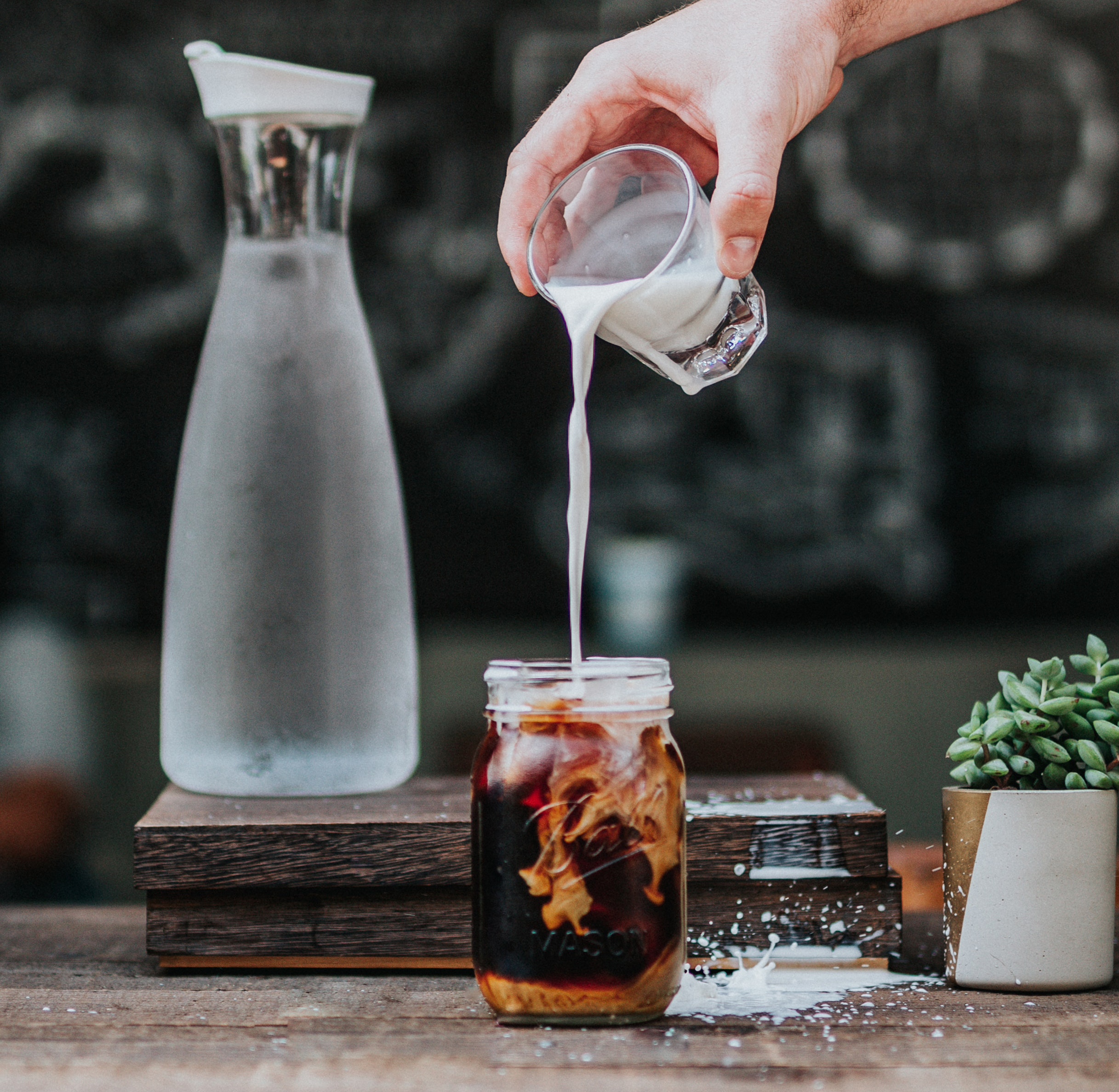
Cold brew is not iced coffee that has gone cold. It is coffee extracted slowly with cool water, then served over ice or diluted to taste. That distinction explains why the equipment varies so much. Some brewers make a ready-to-drink carafe for the next morning. Others make a small amount of strong concentrate that you stretch with water or milk. Neither approach is inherently better; the useful choice is the one that matches how much coffee you drink and how much cleanup you will tolerate.
For most people, we recommend the Hario Mizudashi Cold Brew Coffee Maker. It is a simple 1-litre glass carafe with a removable fine-mesh basket, and it makes a practical ready-to-drink batch in the refrigerator. If you prefer to make concentrate for several drinks from a small footprint, choose the OXO Brew Compact Cold Brew Coffee Maker. For a larger, more traditional concentrate system, the Toddy Cold Brew System is the better fit.
The main thing to get right is not the brand. It is whether you want a simple carafe of coffee to pour tomorrow morning or a concentrate system that asks for more beans, more counter space, and a little more planning in exchange for flexibility.
Our picks at a glance
- Best cold-brew maker for most people: Hario Mizudashi Cold Brew Coffee Maker. A 1-litre glass carafe with a removable fine-mesh basket for simple, ready-to-drink cold brew.
- Best compact concentrate brewer: OXO Brew Compact Cold Brew Coffee Maker. A 24-ounce brewing container with a rainmaker top, reusable stainless-steel filter, and separate borosilicate carafe.
- Best for large-batch concentrate: Toddy Cold Brew System. A non-electric steep-and-drain system for people who make a consistent, larger batch every week.
- Best upgrade for regular entertaining: a larger dedicated concentrate system, but only if you will use the volume. Buying a large brewer to make two small glasses each week creates more stale coffee and more cleanup.
Best cold-brew maker for most people: Hario Mizudashi
The Hario Mizudashi Cold Brew Coffee Maker is the easiest way to decide whether cold brew belongs in your routine. It is a glass carafe with a fine-mesh basket that hangs inside. Add coffee to the basket, add water, put the carafe in the refrigerator, and remove the basket when the brew tastes right to you. The 1,000-mL version produces a useful household batch; Hario also makes a smaller 600-mL version for one or two people.
Its strength is the absence of ceremony. There is no valve to align, no paper filter to buy, and no separate concentrate to calculate before your first cup. You can use it for a mild, ready-to-drink cold brew, pour it over ice, and add milk or water only if you prefer a lighter drink. The removable basket is simple to clean, and the narrow carafe shape stores more gracefully in a refrigerator door than a large round pitcher.
Hario recommends starting with coarse grounds for a lighter, more delicate cup and moving finer for more body and strength. That is a useful direction, but do not try to solve every weak or bitter batch only by changing the grind. Coffee amount, steep time, water, and dilution all matter. Make one small adjustment at a time and write it down. Cold brew is forgiving, but it is difficult to repeat a great batch if you change three variables at once.
The limitation is filtration. A reusable mesh basket makes the process easy, but a little sediment and body are part of the trade-off compared with a paper-filtered concentrate system. That is fine for most people. If you want a smoother, more controlled concentrate that can become several different drinks, the OXO is a better next step.
Best compact concentrate brewer: OXO Brew Compact Cold Brew Coffee Maker
The OXO Brew Compact Cold Brew Coffee Maker is for the person who enjoys cold brew but does not want a gallon-sized system occupying the counter. It uses a 24-ounce brewing container, a perforated rainmaker top to distribute water over the grounds, an ultra-fine reusable stainless-steel filter, and a separate borosilicate carafe for the drained concentrate. When the brewing stage is done, place the brewer over the carafe and it drains automatically.
This design makes concentrate more predictable. OXO’s instructions use 24 ounces of water and six ounces of coarsely ground coffee to yield roughly 16 ounces of concentrate, which the company suggests diluting with water or milk. The exact ratio you enjoy may differ, but the system gives you a repeatable starting point. That is useful if one person wants a strong iced latte while another wants a lighter cup with water.
The brewer also nests with the carafe for storage, which is the detail that makes it better than a larger system for apartments or small kitchens. The cork stopper has a silicone seal, so the concentrate carafe can go into the refrigerator without a loose piece of plastic perched on top. As always, use the manufacturer’s storage guidance and your own judgement about freshness; make the amount you can realistically drink rather than treating a large batch as a challenge.
There are two reasons to skip it. First, concentrate uses more coffee per serving than a gentle ready-to-drink carafe, so it is not the cheapest way to consume coffee. Second, the drain-and-dilute workflow is another step every time you want a drink. If you want to wake up, pour a glass, and leave the house, Hario’s simpler carafe is better.
Best for large-batch concentrate: Toddy Cold Brew System
The Toddy Cold Brew System is the right tool when cold brew is no longer an experiment. It is a non-electric steep-and-drain system designed for a larger batch of concentrated coffee. The grounds steep in a brewing container, then the brew drains through the Toddy filter system into a server below. The process is simple, but it makes more sense when you have the refrigerator space, coffee consumption, and patience to justify the batch.
Large-batch concentrate is useful for a household, an office, or a person who wants the same base for iced coffee, milk drinks, and occasional hot coffee. You dilute each serving to taste, so the brew becomes a flexible ingredient rather than one fixed beverage. The downside is obvious: a larger system asks for a larger quantity of coffee and creates a bigger cleanup job. If you routinely pour only one glass on Saturday and forget the rest, a smaller brewer will give you better results with less waste.
Choose Toddy after you have learned what you like. It is not a shortcut around recipe adjustment. You still need a coarse-enough grind, clean water, a sensible steep time, and a way to record the ratio that worked. Its advantage is scale and repeatability, not magic extraction.
Ready-to-drink cold brew versus concentrate
This is the fork in the road. A ready-to-drink brewer makes coffee that you can pour over ice and drink immediately. A concentrate brewer makes a stronger base intended to be diluted. The labels can be confusing because both use cold water and long steep times.
- Choose ready-to-drink cold brew when you want the easiest routine, make one or two servings at a time, and prefer to adjust strength during brewing rather than at the glass.
- Choose concentrate when you like to control each serving, make iced lattes or coffee cocktails, or need one batch to serve several people with different preferences.
- Choose a smaller brewer when refrigerator space is tight or you are still learning how much coffee you drink in a week.
- Choose a larger brewer only when the batch will reliably be consumed. More capacity is not a quality feature when it leads to forgotten coffee.
Neither method is inherently smoother or better. The perceived taste comes from the beans, grind, ratio, time, water, filtering, and how you serve it. Concentrate gives you more options after brewing; ready-to-drink systems reduce decisions before breakfast.
Start with a coarse grind and adjust only one thing
Cold brew is a patient process, so use a grind that is clearly coarser than a typical drip grind. Fine grounds can make filtration slow, leave more silt, and create a muddier cup. A coarse grind gives water room to move through the coffee and makes a mesh basket easier to rinse. You do not need identical chunks of coffee, but you do need consistency.
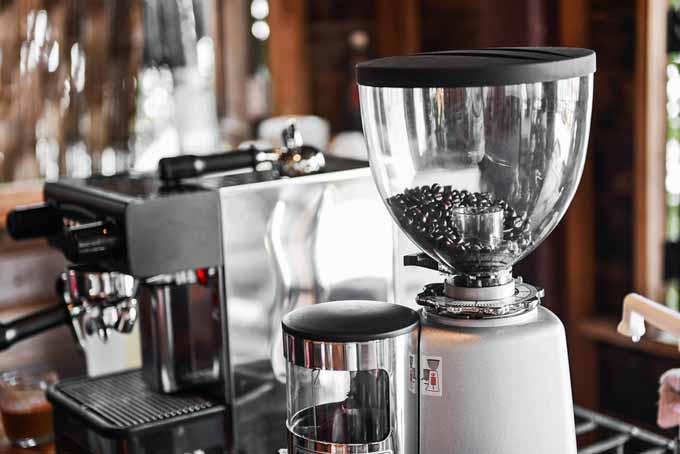
A burr grinder is the easiest way to get there because it produces a more even grind than a blade grinder. It is not compulsory for a first batch, but if you make coffee often, the control is worthwhile. Our coffee grinder guide explains how to choose a grinder based on repeatable adjustment rather than marketing claims.
For your first batch, pick a reasonable coffee-to-water ratio from the brewer’s instructions and leave it alone. Taste the result. If it is weak, increase coffee or steep a little longer next time. If it is harsh or too heavy, reduce coffee, shorten the steep, or dilute more. Do not change the beans, grind, ratio, steep time, and filtration all at once. The notes can be very simple: date, coffee, grind setting, amount, water, steep time, and what you would do differently.
Steep time: enough, not endless
Cold brew commonly takes many hours because cold water extracts more slowly than hot water. That does not mean longer is always better. The OXO compact brewer suggests 12 to 24 hours on the counter or roughly 20 to 24 hours in the refrigerator. A carafe-style brewer often gives you more flexibility because you can remove the filter basket after tasting the first batch.
Start within the maker’s instruction range and settle on the time you enjoy. Longer steeping can produce more intensity, but it can also make a batch feel woody or overly heavy depending on the coffee. Temperature matters too: a brewer on a cool counter and a brewer in a very cold refrigerator are not working at the same pace. Consistency is more valuable than chasing a single “correct” number.
If you want coffee right now, make hot coffee and cool it over ice with a method designed for iced coffee. Cold brew is a make-ahead drink. Its convenience arrives the next day, when you have already done the waiting.
Filtration and sediment
Every reusable filter leaves some fine material behind. That can add body and texture, which some people enjoy, but it can also create a little grit at the bottom of a glass. A fine mesh basket, such as Hario’s, is the simplest solution. OXO’s ultra-fine metal filter focuses more on concentrate and controlled drainage. Paper-filter systems can produce a cleaner cup but require ongoing replacements.
If you like the basic brewer but dislike sediment, do not immediately replace the whole setup. Pour the finished coffee through a paper filter into a clean jar once, or choose a slightly coarser grind next time. That small extra step can be more effective than buying an expensive machine with a different logo.
Fridge space, glass, and cleanup
The brewer should be easy to use where it will actually live. A one-litre Hario carafe is tall and narrow; it behaves like a pitcher in the refrigerator door. The OXO is compact when stored but becomes a two-piece process while draining. A larger Toddy system asks for more counter room during brewing and enough refrigerator space for the finished server.
Glass is pleasant for coffee because it does not hold flavours in the way a neglected plastic container can, but it also deserves ordinary care. Put a glass carafe on a stable shelf, avoid abrupt temperature changes, and use a silicone or fabric buffer in a crowded refrigerator. The Hario Mizudashi carafe is made from heatproof borosilicate glass, but cold brew is still a cold-brewing tool; it is not a substitute for a stovetop pot or an oven-safe dish.
Clean the filter immediately after emptying the grounds. Dried coffee sludge turns a two-minute rinse into an irritating job, especially in fine metal mesh. Wash the carafe, lid, basket, and gasket separately when applicable. Let every part dry fully before putting it away. A clean filter has more effect on the next batch than any exotic bean description.
Serve cold brew without making it watery
Use plenty of ice, but start with a chilled carafe and chilled glass when you can. A cold glass slows the first rapid melt. For ready-to-drink coffee, pour it over ice and add milk or a small amount of water as desired. For concentrate, start with the brewer’s suggested dilution and adjust in the glass. OXO recommends two ounces of concentrate with four to six ounces of water or milk, which is a useful starting range rather than a rule.
Keep a travel mug in the equation if the coffee leaves the house. A sealed mug or bottle protects a concentrated drink from spilling onto a commute, and the insulation keeps ice from disappearing immediately. Our travel mug guide separates bag-safe lids from simple desk tumblers, which is a more important distinction than the colour of the cup.
How to choose beans for cold brew
Start with coffee you already enjoy. Cold brew can make chocolatey, nutty, caramel-like coffees feel round and easy to drink, but a lighter roasted coffee can also work if you prefer fruit and floral notes. There is no universal “cold brew bean.” The useful question is whether the coffee still tastes good when served cold and diluted.
Do not buy a large unfamiliar bag solely because it says “cold brew blend.” Buy enough for a few batches, make one recipe consistently, and decide whether you want more body, more brightness, or less bitterness. A reliable grinder setting and a notebook will teach you more than switching beans every day.
What we would avoid
- A huge brewing system for a one-cup habit. It asks for extra beans, refrigerator space, and cleanup without making the coffee better.
- Very fine grounds in a mesh brewer. They complicate filtering and can leave the cup muddy.
- Changing every variable after a bad batch. Adjust one thing at a time so the next batch teaches you something.
- Ignoring the filter after brewing. Rinse it right away; dried grounds are harder to clean and can affect future brews.
- Expecting cold brew to be instant. Its benefit is make-ahead convenience, not speed on the morning you drink it.
How we chose
We looked at batch size, whether the brewer makes ready-to-drink coffee or concentrate, filter design, refrigerator and counter footprint, cleanup, and the number of decisions required on a busy morning. The Hario is the best uncomplicated carafe for most homes. The OXO gives concentrate drinkers a compact, repeatable method. Toddy earns a place for people who will genuinely use a larger batch.
We avoided treating cold brew as a one-device category. A glass carafe with a mesh basket, a drain-based concentrate maker, and a large steeping system solve different problems. Product availability and prices shift, so use the Amazon links as current availability checks rather than as fixed price references.
Cold-brew coffee maker questions, answered
What is the difference between cold brew and iced coffee?
Cold brew is extracted with cool water over many hours. Iced coffee is usually brewed hot and cooled over ice. They can both be excellent, but they have different workflows and taste profiles.
Should I make concentrate or ready-to-drink cold brew?
Choose concentrate if you want to customise each serving with water or milk. Choose ready-to-drink if you want to pour coffee over ice with minimal steps. A small household often prefers the simpler carafe approach.
How coarse should I grind coffee for cold brew?
Start coarser than a normal drip grind. A coarse, consistent grind filters more easily and helps reduce sediment. Adjust gradually based on your brewer and taste preference.
How long should cold brew steep?
Follow the manufacturer’s suggested range for your brewer and make one change at a time. Twelve to 24 hours is a common starting range, with refrigeration generally requiring more time than a cool counter.
Why is my cold brew cloudy or gritty?
The grind may be too fine, the mesh filter may need cleaning, or the coffee may benefit from a second pass through a paper filter. Try the coarser grind first before changing the entire setup.