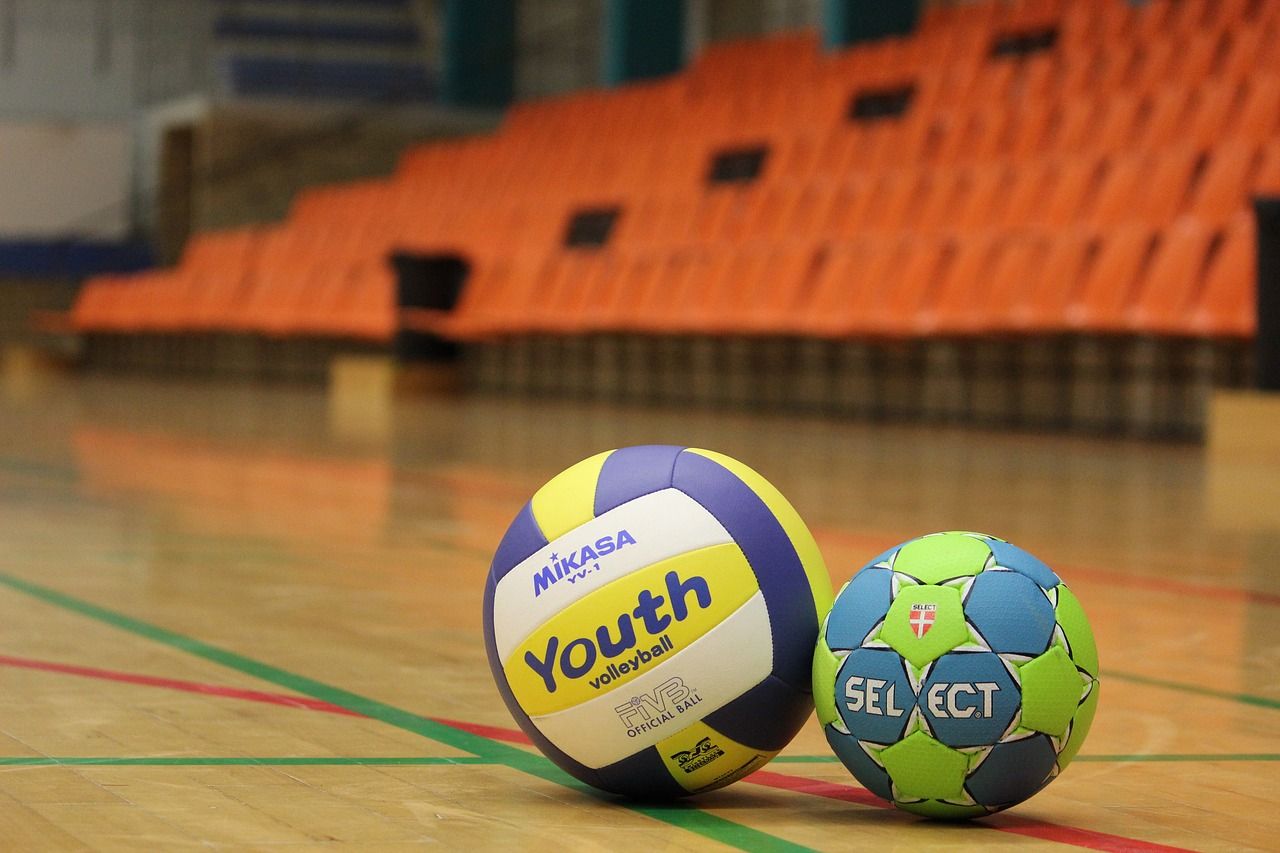
A volleyball is not a generic piece of sporting equipment. The ball that feels right in an indoor gym can be miserable on hot sand, and a cheerful, soft recreational ball can turn an organized match into a string of awkward passes. Start with the surface and the players—not a logo, color, or sale price.
For a regular indoor league, our first choice is the Molten V5M5000 FLISTATEC. It has the firm, predictable response that an adult indoor ball should have, with a microfiber-composite cover that holds up to frequent gym use. The Wilson AVP OPTX Game Volleyball is the beach pick: it is made for sand, wind, and the lower pressure that outdoor beach volleyball requires. If you play on grass, seek out the Wilson OPTX Grass Volleyball, whose cover and high-contrast panels are better suited to damp ground and uneven light. For a more affordable indoor practice ball, the Tachikara SV18S is the sensible alternative.
Those are starting points, not instructions to buy four balls. Most people need one good ball for the game they actually play. The rest of this guide explains how to make that choice, how to inflate it correctly, and where it makes sense to spend less.
Our picks at a glance
| For | Pick | Why it earns the spot | Skip it if |
|---|---|---|---|
| Indoor leagues and serious gym play | Molten V5M5000 FLISTATEC | Premium microfiber-composite cover, familiar adult indoor size and weight, and a consistent response for passing and setting. | You mostly play outside or are buying for very new players. |
| Beach volleyball | Wilson AVP OPTX Game Volleyball | A dedicated beach ball with a textured microfiber-composite cover and panels that are easy to track in bright conditions. | Your games happen in a gym or on grass. |
| Grass tournaments and backyard teams | Wilson OPTX Grass Volleyball | Built for the abrasion, moisture, and visual clutter that make grass play different from both sand and hardwood. | Grass is only an occasional surface for you. |
| Indoor practice on a tighter budget | Tachikara SV18S | A durable composite-leather ball in the standard adult range without paying for a top-tier match-ball finish. | You need a regulation-approved ball for a specific event. |
Best indoor volleyball: Molten V5M5000 FLISTATEC
The Molten V5M5000 FLISTATEC is the ball to buy when your normal game is adult indoor volleyball: open gyms, a rec league that takes the match seriously, a school program, or regular skill work on a court. Its microfiber-composite exterior is a step above the shiny, stiff synthetic shells found on bargain balls. That matters on serve receive and setting, where a slightly more controlled feel makes it easier to repeat technique instead of bracing for a hard, erratic rebound.
Molten uses a textured panel surface and a wound interior construction in this model. The practical result is a ball that should stay round and respond predictably when it is correctly inflated. It is an adult indoor ball in the familiar official size and weight range, so moving between practice and league play does not require a big adjustment.
This is not the ball for every household. New players, especially children who are learning to move their arms into a platform, can find a firm game ball intimidating. A softer training or recreational model buys more comfortable repetitions. And despite a cover that is durable for court use, this is not the right tool for sand or rough grass. Sand works into seams and grass games bring moisture and abrasion; a purpose-built outdoor ball will last longer and play more naturally there.
It is also worth checking the ball rule for your league before buying. Some sanctioned competitions specify a particular approved model. A quality indoor ball is still useful for practice, but “official size” does not automatically mean “accepted at this event.”
Best beach volleyball: Wilson AVP OPTX Game Volleyball
The Wilson AVP OPTX Game Volleyball is the stronger choice for people who play their meaningful games on sand. It is a real beach ball, not an indoor ball with an outdoor-looking paint job. Its microfiber-composite cover is made for the surface, and the blue, yellow, and red visual pattern makes it easier to follow a spinning ball against bright sky, pale sand, and players in motion.
The biggest functional difference is inflation. Adult indoor volleyball typically uses a ball around 65 to 67 centimeters in circumference, 260 to 280 grams in weight, and roughly 4.3 to 4.6 psi. Beach volleyball is a little larger in circumference, at about 66 to 68 centimeters, while staying in the same general weight range. More importantly, its recommended pressure is much lower—about 2.5 to 3.2 psi for the current U.S. beach game. That lower pressure gives the ball a different, more yielding response. It is deliberate, not evidence that the ball is underinflated.
Do not take the OPTX Game Volleyball into an indoor league expecting it to feel like a gym ball. It will not. The lower-pressure build and beach-oriented construction change the touch, float serve behavior, and setting response. That is exactly why it is good on sand. Use one ball for one primary discipline when you can.
For casual beach days with beginners, the premium game ball may be more than you need. A softer recreational beach volleyball is friendlier for a group that mainly wants to rally without sore forearms. But once players care about clean hand contact, serving with intent, and a ball that does not turn vague in the wind, the OPTX is money well spent.
Best grass volleyball: Wilson OPTX Grass Volleyball
Grass volleyball deserves its own recommendation because grass is not simply beach volleyball without the sand. The ground can be damp, rough, patchy, or freshly cut. Matches often run from afternoon sun into lower evening light. A ball designed for the surface needs to tolerate moisture and abrasion while remaining easy to see.
The Wilson OPTX Grass Volleyball is the practical choice for players who regularly join grass tournaments or maintain a backyard net. Its microfiber-composite cover is intended to resist the punishment of the surface, and its high-contrast OPTX pattern includes a bright red accent intended to stand out against green grass. That sounds cosmetic until a serve disappears into dappled shade; then it becomes a real advantage.
It is more specialized than the other picks. If your grass games happen twice a summer, a good beach ball or a lower-cost recreational ball may serve you well enough. Buy the grass model when grass is a weekly habit, you host organized games, or you want a ball that remains legible and usable after repeated contact with wet turf. It is also worth asking tournament organizers what they supply or allow. Grass events vary more than indoor leagues, and some have their own ball preference.
A lower-cost indoor choice: Tachikara SV18S
The Tachikara SV18S fills a useful middle ground. It is not a throwaway playground ball, but it also does not make you pay premium match-ball money just to run drills, play a school open gym, or keep a spare in the equipment bag. The ball has a composite-leather cover and comes in the usual adult size 5 format, with the standard 260-to-280-gram weight range.
That makes it a good answer for a coach buying several balls, a player who needs something reliable for individual practice, or a rec group that wants a proper indoor feel without treating every ball like a prized possession. It is not the one to buy if a league requires an exact event-approved model. And it is not a soft beginner ball. Composite construction can still feel firm on bare arms, particularly when the ball is overinflated or the player has not learned a relaxed platform yet.
One smart way to use this model is as the everyday ball and reserve a premium indoor ball for matches or high-value practice. That split keeps the expensive ball out of a cluttered gym bag and still gives players the chance to practice with the type of ball they expect on game day.
Choose the surface before you compare brands
Surface is the first filter because the ball changes the game. Indoor volleyball is fast and controlled, played in a climate-managed space on a predictable floor. An indoor ball needs a stable response for serves, sets, and directional passing. A ball made for the gym is usually the most sensible option for a high-school program, a community-center league, or court-based skill sessions.
Beach volleyball has wind, heat, and soft footing. Players cover more court with fewer teammates, and the lower-pressure ball works with that version of the game. The ball should be made for sand and have panels you can find quickly in bright light. An indoor ball can survive a few informal sand rallies, but it is an expensive compromise and often feels wrong when properly set up for beach play.
Grass sits between the two in some ways but adds its own problems. Damp blades of grass stick to a wet cover, uneven ground changes approaches and saves, and shadows make a conventional white ball harder to read. If grass is your home surface, buy for grass.
For a mixed group that plays wherever a net appears, decide which surface happens most often. A beach ball is usually the better single outdoor choice for sand-first groups; a durable composite indoor ball is better for gym-first groups. Trying to make a single ball cover all three serious versions of the sport almost always ends with a compromise nobody loves.
Size, weight, and pressure are not optional details
For adult indoor play, a volleyball in the official range should measure 65 to 67 centimeters around and weigh 260 to 280 grams. Beach volleyball uses the same broad adult weight range but a slightly larger circumference, about 66 to 68 centimeters. Those figures are close enough to look interchangeable on a product listing, yet they are paired with different construction and a major difference in inflation pressure.
Pressure deserves more attention than it gets. Indoor balls are normally inflated around 4.3 to 4.6 psi; beach balls work at approximately 2.5 to 3.2 psi. Use a pump with a gauge that can read low pressures accurately. A vague thumb squeeze is not enough, especially for beach volleyball where a small change can be noticeable. Follow the manufacturer’s marking if it gives a narrower range, and do not assume that a ball arriving partially deflated is faulty. Many volleyballs are shipped deflated to protect the cover and seams in transit.
Overinflation makes even a premium ball unpleasant. It can feel harsh, behave too quickly, and place needless stress on the bladder and seams. Underinflation takes away the clean response needed for controlled passing and setting. Check pressure after travel, temperature swings, or a long storage period. Use a proper inflation needle and follow the manufacturer’s valve-care instructions; forcing a dry or bent needle through a valve is an easy way to create a slow leak.
What beginners and younger players should use
Adult game balls are not the right default for every learner. A child who is still developing coordination, or an adult trying volleyball for the first time, gets more useful reps with a lighter or softer ball. The goal early on is not to prove toughness. It is to learn footwork, track the ball, make clean contact, and enjoy enough successful rallies to keep practicing.
For young children, look for a true youth or “first touch” volleyball instead of simply buying the cheapest adult ball. Lighter youth models can be far easier to control, and their reduced impact helps a new player keep arms relaxed. Older children and teens may be ready for an adult-weight ball, but readiness matters more than an age printed on a listing. A player who flinches on every pass will learn bad habits quickly.
In a school or family setting, owning two types of balls is often the best answer: a soft or lighter one for skill building and a standard adult one for players who are ready to transition. It keeps the first session welcoming without forcing experienced players to spend all evening with a ball that does not respond like the game ball.
If you are building a small training setup, pair the ball with gear that makes repetitions easier to organize. Our guide to volleyball training equipment covers useful practice tools without turning a garage into a pro gym. For outdoor play, a stable net matters just as much as the ball; see our guide to volleyball net systems before buying a portable set.
Cover material and construction: what you actually feel
Most better volleyballs use a microfiber-composite or composite-leather cover. The names vary by brand, but the useful distinction is between a ball meant for regular play and a thin, inexpensive synthetic shell that is likely to feel stiff, slippery, or inconsistent. A better cover generally offers more control, a more pleasant touch, and better durability over time.
Hand-stitched construction is common on premium beach and grass balls. It can provide a supple, durable feel, though it is not a magic word that makes every ball excellent. Indoor balls may use different panel and backing designs to produce a stable, predictable response. Focus on whether the model is made for your surface and level rather than treating stitching alone as a quality score.
A soft recreational ball has a legitimate place, too. Some use sponge backing or a more forgiving synthetic cover. They are good for camps, casual groups, and younger players, but their response is not a substitute for a game ball once players want to learn standard serves and sets. Think of them as teaching and social tools, not failed competition balls.
How to buy without wasting money
First, identify the main surface. Then decide if the ball is for a sanctioned league, regular competitive play, practice, or casual use. That sequence eliminates most bad choices quickly.
For sanctioned play, read the current event rule before spending anything. “Official size and weight” is a basic specification, not a guarantee that a tournament accepts the ball. League organizers may require a particular brand, model, color pattern, or approval. Buying the stated game ball once is cheaper than discovering the issue during warm-ups.
For practice, prioritize a ball that resembles the one used in your matches. A setter who trains all month with a very soft ball should expect an adjustment when switching to a firm indoor match ball. A beach player should practice at beach pressure. Your practice ball does not need to be the most expensive product on the shelf, but it should not teach a totally different touch.
For casual groups, comfort and durability are often more valuable than prestige. If players are new, a softer model is a thoughtful purchase. If the group has progressed past introductory rallies, move up to a proper surface-specific ball. The game gets more fun when the ball behaves as expected.
Care that keeps a volleyball playable
Wipe sand, dirt, and moisture off the ball after playing. Let it dry before zipping it into a bag. Avoid leaving it in a hot car, on a heater, or in direct sun for long stretches; heat and big temperature swings affect air pressure and age the materials faster. Keep it away from rough pavement, fences, and sharp equipment when possible.
Store the ball at a sensible playing pressure unless the maker says otherwise, and check it before a match rather than pumping it hard at the last minute. A small hand pump and gauge belong in the same bag as your knee pads or sun protection. Treat the valve gently, and retire a ball from serious play if it develops a persistent leak, a loose panel, or a misshapen response. A cheap repair is not always a safe or predictable solution.
How we researched volleyballs
We checked current manufacturer information for the Molten, Wilson, and Tachikara models in this guide, then compared their intended surfaces, cover materials, construction, size, and inflation guidance with current FIVB and USA Volleyball rules. Official approval applies to a specific model and competition context, so we did not treat a familiar brand name as proof that every ball it sells is interchangeable. We did not play-test these balls; our choices reflect documented design, level of play, surface, and the cost-versus-durability trade-offs a buyer can evaluate before ordering.
Questions before buying a volleyball
Can I use an indoor volleyball for beach volleyball?
You can for a casual afternoon, but it is not the right long-term setup. Beach balls are built for sand and lower pressure, so they feel and travel differently. If sand is where you play regularly, buy a dedicated beach ball.
Why does my beach volleyball feel softer than an indoor ball?
It should. Beach volleyball uses substantially lower inflation pressure than adult indoor volleyball. Inflate it to the specified beach range with a gauge rather than trying to make it feel like a gym ball.
What is the right volleyball for a child?
For younger or brand-new players, choose a lighter youth ball or a soft “first touch” model. A standard adult game ball is appropriate when the player can handle it comfortably and is ready to practice the adult game.
Is a more expensive volleyball always better?
No. A premium beach ball is a poor value for an indoor-only player, and a regulation indoor ball may be unnecessarily firm for first-time learners. Spend for the right surface, construction, and level of play.
Make the choice simple
Buy the Molten V5M5000 FLISTATEC for serious indoor court use, the Wilson AVP OPTX Game Volleyball for beach, the Wilson OPTX Grass Volleyball for regular grass play, and the Tachikara SV18S when you want a capable indoor practice ball for less. Inflate the ball for its discipline, not by feel alone. That one decision will do more for the quality of your next game than chasing a flashy all-purpose option.