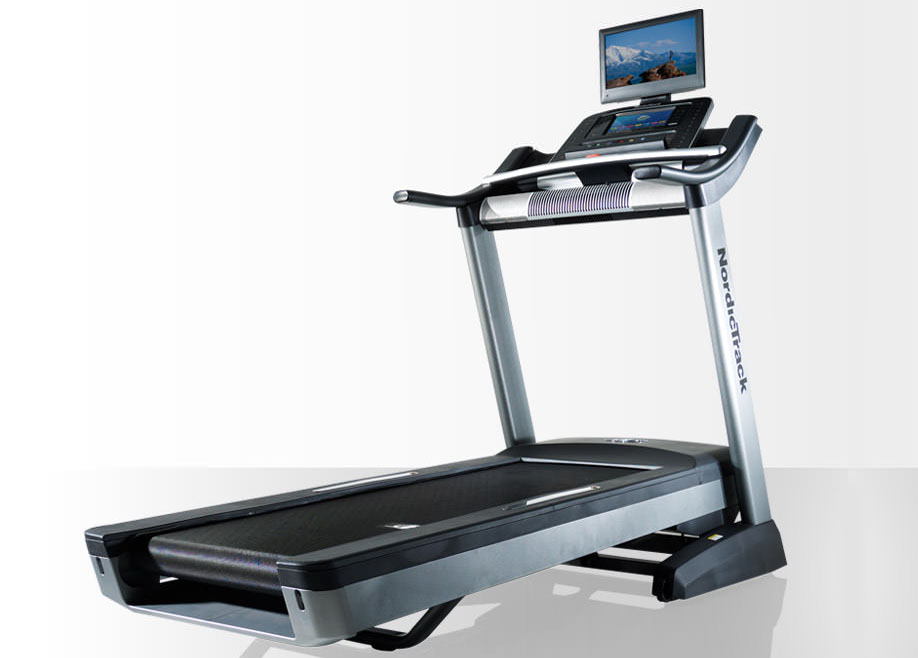
A treadmill earns its space only when it matches the workout you will actually do. For regular walking, jogging, and running at home, the Horizon 7.0 AT is the practical all-rounder. It has a full 20-by-60-inch running deck, physical speed and incline dials, a 0.5-to-12-mph range, and a folding frame without making a proprietary subscription the reason to buy it. The SOLE F80 is the sturdier alternative for someone who wants a 10.1-inch touchscreen, a 350-pound stated capacity, and a subscription-free ownership model. If your priority is walking in an apartment or at a standing desk, buy the WalkingPad A1 Pro instead. It folds in half and fits under furniture, but it is a walking machine, not a compact substitute for a running treadmill.
Quick picks
| Pick | Best for | Main compromise |
|---|---|---|
| Horizon 7.0 AT | Regular walking, jogging, and running with flexible app use | It is still a 277-pound full-size treadmill with a 20-inch deck |
| SOLE F80 | Buyers who want a touchscreen, 350-pound capacity, and no mandatory monthly membership | Freight delivery, a heavy frame, and a higher outlay demand planning |
| WalkingPad A1 Pro | Walking at a desk or in a small room where a real treadmill will not live | Its 47-by-16.5-inch belt and 3.75-mph ceiling rule out running |
Buy a running treadmill only if you plan to run
“Treadmill” covers several different machines. A walking pad is a thin belt designed for a controlled walking pace. A folding home treadmill is a much larger machine with uprights, handrails, incline, a longer deck, and enough running room to handle a changing stride. Confusing those categories is the most expensive mistake in this purchase. A small walking pad can make a workday less sedentary. It cannot safely stand in for a stable 60-inch deck when you accelerate into a run.
For most adults who expect to jog or run, start with a 60-inch belt. Deck width is the next useful measurement. Twenty inches is a sensible minimum for an ordinary home running machine; 22 inches gives more side-to-side room, particularly when an easy run gets tired and foot placement becomes less exact. The stated user capacity is worth taking seriously too. It is not a promise about performance, but it helps identify machines built for a different level of load than an ultralight walking pad.
Do not let a motor number settle the decision by itself. A treadmill is a system: deck length, belt, rollers, frame, incline mechanism, controls, floor, and service all affect how it feels over time. A clear speed control, safe handrails, sensible delivery, and local repair support often matter more than an impressive-looking display. Decide whether you need running capability first. The rest of the guide becomes simpler after that.
The Horizon 7.0 AT is the right first full-size treadmill
The Horizon 7.0 AT makes sense for people who want durable fundamentals without committing their whole routine to one fitness platform. Horizon lists a 20-by-60-inch deck, 0.5-to-12-mph speed range, 0-to-15% incline range, 325-pound maximum user weight, and 3-Zone Variable Response Cushioning. Its 1.6 mm silicone belt rides on an 18 mm deck. Those are the details that make it a legitimate choice for walking, jogging, and recreational running rather than a piece of office equipment with a belt.
The controls are its best argument. Horizon uses separate QuickDial controls for speed and incline, along with direct workout controls and a modest LCD display. During an interval, it is easier to turn a dial than to reach for a tiny touch target. The console also supports Bluetooth FTMS, which can pass live workout metrics to compatible training apps, and it can connect to an Apple Watch. That is a good middle path: bring the screen and service you already enjoy instead of buying a treadmill whose best functions depend on the manufacturer’s membership.
The 7.0 AT is not secretly compact. It measures 76 by 35 by 67 inches when assembled, weighs 277 pounds, and folds to 44 by 35 by 68 inches. Its estimated shipping weight is 332 pounds. Folding helps recover floor space after a session; it does not make a large machine easy to carry up a narrow stairwell or hide in a closet. The 8⅝-inch step-on height also belongs in your ceiling calculation. Add that height to the height of the person who will run on it, then leave enough room for a natural stride and raised arms.
Horizon says the 7.0 AT is for a 120-volt, 60 Hz supply and is not compatible with GFCI outlets. Follow the model’s current manual rather than improvising with extension cords or power strips. Its home warranty lists lifetime coverage for the frame and motor, three years for parts, and one year for labor. That labor term is especially important: hardware warranties look reassuring until a repair needs a technician. Confirm service coverage where you live before the box is in the driveway.
Skip the Horizon if you need the open feel of a 22-inch deck, want the console itself to be your entertainment center, or cannot accommodate its open and folded height. Otherwise, it is the sensible start for an ordinary home gym. Check current Horizon 7.0 AT availability on Amazon.
Choose the SOLE F80 when the machine itself is the upgrade
The SOLE F80 is the upgrade pick for a buyer who wants more built-in console hardware but does not want a recurring membership to define ownership. SOLE currently specifies a 3.25 HP brushless motor, a cushioned 20-by-60-inch deck, a 0.5-to-12-mph speed range, 15 incline levels, and a 350-pound stated capacity. It has a 10.1-inch touchscreen, Wi-Fi, Bluetooth, screen mirroring, speakers, a cooling fan, and both speed and incline quick controls. SOLE includes its SOLE+ app without requiring a monthly subscription for the machine’s core use.
That combination is useful for the person who wants to press Start, see a clear display, and occasionally stream or follow a workout without treating a membership as a permanent tax on the treadmill. The 60-inch deck is the right baseline for running, and the higher stated user capacity may make the F80 a better fit for a household where multiple adults will use it. The F80 also folds upright and rolls on transport wheels, so it can share a living space more gracefully than a fixed commercial-style treadmill.
There is a real cost to that sturdiness. The published machine measures 75 by 34 by 52 inches and weighs 218 pounds on SOLE’s current product page, while its shipping carton is 80 by 31 by 13 inches with a 237-pound gross weight. Product revisions and retailers can differ, so read the specifications attached to the exact listing rather than borrowing a number from an older review. SOLE sells this model with freight curbside delivery and optional room-of-choice or assembly service. In a home with steps, awkward landings, or a narrow hall, delivery is part of the purchase—not an afterthought.
SOLE lists lifetime frame and motor coverage, three years for the deck, electronics, wear items, and parts, plus 90 days of labor. The labor period is shorter than Horizon’s, even though the headline lifetime coverage sounds stronger. That does not automatically eliminate the F80, but it changes what a buyer should ask before checkout: who handles a failing console, what is the current in-home service process, and what will shipping a part involve?
The F80 is a better purchase than a premium connected treadmill when you want stable, conventional hardware and the freedom to choose your own content. It is not the right one if its delivery weight, open footprint, or price will make you avoid using it. See current SOLE F80 listings on Amazon.
The WalkingPad A1 Pro is for walking, not wishful running
The WalkingPad A1 Pro solves a different problem. It is a low, fold-in-half walking pad for a standing desk, an apartment, or a room that cannot permanently surrender its floor to a treadmill. WalkingPad lists a 0.5-to-3.75-mph range, a 47-by-16.5-inch walking area, a 300-pound capacity for the heavy-duty version, and no assembly. It is 56.5 by 21.5 by 5 inches unfolded and 32.5 by 21.5 by 5 inches when folded. At about 63 pounds, it is far easier to reposition than either full-size pick.
Its limitation is the reason to buy it honestly. The short, narrow belt and 3.75-mph ceiling make it a walking device. Some retailer copy uses the word jogging, but the proper use case is an easy walk at a desk, a gentle indoor walk during a show, or compact daily movement. It lacks the upright frame, handrails, incline, and long running area that make a full treadmill fit for running. Do not buy it because the price feels safer than a big machine if the routine you want includes real runs. You will simply own the wrong category of equipment.
The A1 Pro has FootSense speed control, an included remote, and app control through KS Fit. Those options are handy, but the remote deserves a fixed home. A small machine can be easy to store and still become frustrating if the necessary control is always misplaced. Before buying, measure the clearance under your bed or sofa, including legs and cross-braces, rather than trusting that the five-inch folded height will fit every piece of furniture. Make sure the path to storage works while holding a 63-pound object too.
Walking pads are best for a repeatable walking habit, not an imaginary home gym. They can be a genuinely good purchase for a person who has little room, prefers walking, and will use the ability to fold and store the belt. For strength work around a compact setup, see our home ab-machine guide; it will help you avoid filling the room with another poor-fit purchase. Find the WalkingPad A1 Pro on Amazon.
Measure the room, the route, and the ceiling
Measure the open treadmill footprint, then measure the folded footprint if you expect to fold it regularly. Add a safe clear zone behind the belt and a comfortable approach at the sides. The rear clearance is not wasted floor area; it gives you room to step off safely if the belt stops unexpectedly or you lose balance. Do not place a treadmill where a door swings into the running area, where a child can approach from behind, or where pets regularly cross the belt’s path.
Ceiling height catches more buyers off guard. Start with the machine’s deck height, add the runner’s height, then add some natural vertical movement. A tall runner on a treadmill with an eight-inch step-up height can make a low basement unusable quickly. Walk in the planned space with shoes on and reach naturally overhead if the ceiling feels close. A product photo cannot tell you whether the room has enough air above a real stride.
The delivery route is equally physical. Look at the carton dimensions, not only the assembled dimensions. Measure the tightest doorway, stair turn, elevator, and landing. Freight curbside delivery means a heavy box may end at the edge of the property. In-room delivery or assembly can be worth it when the route is difficult, but read exactly what the service includes and excludes. Take photos of a complicated entry if you must arrange delivery help.
Controls and subscriptions are ownership decisions
A screen can be useful. It can also be an expensive feature that duplicates the phone or tablet you already own. Buy a subscription-oriented treadmill when guided classes, automatic terrain changes, instructor energy, and one integrated display will make you work out more often. That is a valid reason. Do not buy one because the screen looks impressive in a showroom listing. Ask what manual mode does without a membership, what happens when Wi-Fi drops, whether the service’s price can change, and whether the treadmill remains pleasant to use for a plain 30-minute walk.
Physical controls are underrated because they do not photograph well. A large dial, direct speed key, clear stop button, and visible safety key make a treadmill easier to operate when breathing hard. The Horizon’s QuickDials are a good example of an everyday feature that affects the workout. The SOLE’s speed and elevation quick keys serve the same purpose. A perfect touch display is less important if it makes a mid-workout adjustment awkward.
Use the safety key every time. It is not a symbol of paranoia; it is the simplest way to stop a moving belt if you move away from the console unexpectedly. Teach everyone who will use the machine where the stop control is before their first session. Children should not play on a folded deck or operate a treadmill unsupervised. If balance, mobility, medication, or a medical condition affects safe exercise, get specific medical guidance before adding a moving belt to the home.
Price tiers that make sense
Below the full-size range, keep expectations narrow. A low-cost walking pad can be a good tool for light walking and storage, but it does not become a runner’s treadmill because its sales page says it has a powerful motor. Pay for the category you need. In the midrange, look for a 60-inch deck, useful incline, physical controls, a plausible service plan, and a frame that fits the room. The Horizon is the benchmark here because it puts those fundamentals ahead of an oversized console.
At the next tier, the money should buy a meaningful change: a higher stated capacity, better delivery support, a larger or more capable console, a different warranty structure, or a sturdier frame. The SOLE F80 makes sense if those additions are meaningful to you. Do not stretch to a higher tier for a handful of preloaded programs or a glossy screen you will duplicate with a tablet. Compare the delivered total, including the service you need to get it into the room, rather than the temporary sale badge.
Keep the treadmill working
Read the owner’s manual before the first workout. Set the machine on a stable, level surface, use the electrical arrangement specified by the manufacturer, and follow the lubrication and belt-tension instructions for the exact model. A walking pad and a full treadmill can have different schedules and procedures. Generic advice from another machine is not a substitute for the manual in the box.
After workouts, wipe sweat from the rails and console, keep dust and loose items away from the deck, and occasionally look at belt tracking while the machine is off. A repeated scraping noise, overheating smell, belt stutter, or belt that drifts should end the session until you can follow the troubleshooting instructions or contact support. Do not work under a moving belt. A simple equipment mat may protect the floor and make cleanup easier, but it will not correct a bad location or an uneven floor.
Build the routine slowly. The first useful session is a calm walk that teaches you the controls and lets you assess the room. Build duration before speed or incline. Keep water within easy reach; our water-bottle guide can help if you need a leak-resistant bottle that will not become a cleanup job beside a powered machine.
How we researched
We reviewed current manufacturer specifications, manuals, warranty terms, delivery information, and stated use cases for full-size treadmills and foldable walking pads. We compared deck dimensions, speed and incline ranges, folded and assembled footprints, capacity, controls, electrical requirements, and ownership terms. We did not conduct a controlled hands-on durability test of each machine. Model revisions, retailer inventory, prices, subscriptions, and delivery options can change, so confirm the exact model number and current terms before ordering.
Treadmill questions, answered
Is a folding treadmill good enough for running?
Yes, if it has a deck, frame, controls, and stated capacity appropriate for running. Folding is not the issue. A too-short belt, an unstable location, or poor support is.
Do I need a 22-inch-wide deck?
No. A 20-inch deck works for many runners. Twenty-two inches gives extra lateral room, which can be welcome for a larger runner or harder intervals. Do not sacrifice deck length, delivery practicality, or service to chase two inches.
Can I run on a walking pad?
Not on the WalkingPad A1 Pro. Its stated 3.75-mph maximum, short belt, and low platform make it a walking machine. Buy a full-size treadmill when running is part of the plan.
Should I pay for a treadmill screen?
Pay for it when coached sessions and integrated content will help you keep a routine. If you prefer your own tablet, music, or app, physical controls and a stable deck are usually the better investment.
Affiliate note: SuperGrail may earn a commission when you buy through an Amazon link. That does not affect our recommendations or the trade-offs we explain.