Good sheets should make the bed easier to get into and easier to maintain. For a familiar, breathable cotton feel, we would start with The Company Store Legends Hotel Premium Cool Supima Percale Sheet Set. It uses long-staple Supima cotton in a 400-thread-count percale weave, has full-perimeter elastic, and is offered in a standard fit for mattresses up to 18 inches deep. That crisp, matte feel is not for everyone. If you prefer a smoother, more draped surface, the Brooklinen Luxe Sateen Sheet Set is the better direction.
The most expensive sheet set is not automatically the most comfortable one. The important questions are simpler: Do you sleep hot? Do you like a neat hotel-sheet finish or a softer, relaxed look? How deep is your mattress once its topper is in place? And will you actually follow the care instructions? Pick the fabric and weave first. Then make sure the fitted sheet will stay put.
How SuperGrail is supported: We may earn a commission when you buy through an Amazon link. That does not change our recommendations.Quick picks
| Pick | Buy it for | Skip it if |
|---|---|---|
| The Company Store Legends Hotel Premium Cool Supima Percale | A crisp cotton set for warm sleepers and people who want deep-pocket options. | You dislike a structured, matte percale feel. |
| Brooklinen Luxe Sateen | Smooth cotton, a more fluid drape, and a fitted sheet sized for mattresses up to 16 inches. | You run warm or want the airy feel of percale. |
| Quince European Linen | Relaxed texture, linen’s airy character, and the option to buy a set without a flat sheet. | You want a perfectly smooth bed right out of the dryer. |
| Threshold 400 Thread Count Performance | A lower-cost cotton sateen set with labels and full-perimeter elastic that simplify making the bed. | You need the most consistent long-term fabric feel or a percale weave. |
The crisp-cotton pick: The Company Store Supima Percale
The Company Store Legends Hotel Premium Cool Supima Percale Sheet Set is a strong choice if a good bed means cool, orderly cotton rather than a silky surface. Percale is a plain weave. It tends to feel lighter, crisper, and more matte than sateen, particularly when the fabric is clean and dry. That makes it an easy recommendation for people who get warm at night, prefer a more classic sheet feel, or do not want their bedding to cling and drape.
This set uses long-staple Supima cotton and a 400 thread count. The Company Store specifies full-perimeter elastic on the fitted sheet and says its standard sheets accommodate mattresses up to 18 inches deep. Those are more useful facts than a thread-count number alone. Full elastic helps a fitted sheet stay aligned, while real pocket depth prevents the corners from popping free after the first turn in bed. Measure the mattress with its protector or topper on it before ordering. A 14-inch mattress can quickly become a 17-inch one in practice.
The trade-off is inherent to percale. It will not feel like a soft, glossy sateen sheet on the first night, and it can look rumpled when you make the bed casually. Some people love that crispness; others interpret it as stiffness. Do not buy percale because a product listing calls it “cool” if you already know you prefer smooth, supple sheets. The texture is the point, not an inconvenience to wash away.
This is the pick for a person who wants one serious cotton set that can handle regular use and prefers to make the bed with a pulled-tight top sheet. Follow the listed care: cold, gentle washing with like colors and low drying. Removing sheets from the dryer soon after the cycle ends does more for a tidy bed than chasing an extreme thread count.
The smooth-cotton pick: Brooklinen Luxe Sateen
Brooklinen Luxe Sateen is the choice for someone who wants a smoother, softer-feeling cotton surface and more drape. Brooklinen lists 100% long-staple cotton sateen, a 480-thread count, and OEKO-TEX Standard 100 certification. Its fitted sheet is designed for mattresses up to 16 inches deep, with 12 to 16 inches identified as the best fit. That range is worth taking seriously: a set can be well made and still fail the ownership test if its corners cannot cope with your mattress setup.
Sateen is made with longer yarn floats at the surface than percale. The result is a smoother hand and a subtle sheen rather than a button-down-shirt texture. It is an inviting option for people who want bedding to feel immediately soft and less structured. The heavier, smoother character can also be a better match for a cool bedroom or someone who finds traditional percale too crisp.
The compromise is breathability preference, not a defect. A warm sleeper may find the close, smooth feel less comfortable during hotter nights than percale or linen. Sateen also tends to show a little more sheen and can be less forgiving of rough laundering habits. If you sleep hot or strongly prefer a matte, airy sheet, spend on a nice percale instead of trying to convince yourself that a smoother fabric will feel cooler.
Buy Luxe Sateen if you want a polished cotton set and your mattress fits its 16-inch depth. Skip it for extra-deep beds and for a guest room where you want a less precious, more utilitarian set. The right reason to pay more here is the specific feel you want, not the assumption that a bigger thread-count label means a better night’s sleep.
The relaxed-linen pick: Quince European Linen
Quince’s European Linen Sheet Set is a good route for the person who wants a lived-in bed, a bit of texture, and less concern over small wrinkles. Quince says the set is woven from 100% European flax, garment washed, and offered in 150 GSM linen. The standard set includes a fitted sheet, flat sheet, and pillowcases; there is also a fitted-sheet set without the flat sheet. That second configuration is useful for sleepers who never use a top sheet and would rather not store one.
Its fitted sheet has all-around elastic and is designed for mattresses up to 16 inches deep. Quince also lists OEKO-TEX Standard 100 certification and recommends a cold, gentle wash with low heat or line drying. Linen’s character is different from cotton’s. It has a more visible weave, a relaxed finish, and natural rumpling that looks intentional only if you like that look. It is not the pick for a very smooth, tightly made bed.
The important limitation is texture. Linen starts with more substance and texture than a soft sateen, and while use and laundering can change how it feels over time, it never becomes slick cotton. It can also cost more than a basic cotton set in comparable sizes. Buy it because you want breathable-looking, casually textured bedding and because you do not mind a bed that looks a little undone by design. Do not buy it to duplicate hotel percale at a lower price.
Linen is particularly sensible if you want one set that does not demand pristine folding. Smooth the fitted sheet with your hands, give the top sheet a loose pull, and let the fabric have its character. If your main concern is a sheet that looks sharply pressed, choose percale and use a little more care when drying and making the bed.
The budget pick: Threshold Performance 400 Thread Count
Threshold’s 400 Thread Count Performance Sheet Set is the less expensive option for a bedroom that needs a practical cotton sateen set instead of a bedding project. Target specifies 100% cotton, a 400 thread count, full-perimeter elastic, and a fitted-sheet design for mattresses up to 18 inches deep. It also includes top and bottom labels, a small design choice that makes a noticeable difference when you are wrestling a fitted sheet onto a large bed.
That makes the set a reasonable choice for a first apartment, a guest bed, a child’s room, or anyone building a rotation without spending premium-sheet money. A second set is often more useful than a pricier first set: it gives you time to wash and dry bedding without making laundry day urgent. The stated wrinkle-, pill-, and shrink-resistance is useful context, but it is not a promise that any sheet will stay unchanged under every wash routine.
The compromise is consistency and feel. Budget sheets can be the right purchase, but they are not a substitute for picking a fabric you actually enjoy. This is sateen, so it leans smoother and warmer-feeling than percale. It is not for the person who wants the distinctive crispness of Supima percale or the irregular texture of flax linen. It is for someone who values easy fit, a familiar smooth finish, and a price tier that leaves room for a second set.
Percale, sateen, linen, and other materials
The weave affects how cotton sheets feel as much as the cotton itself. Percale has a plain, one-over-one-under structure that generally feels crisp and breathable. It is the better starting point for warm sleepers and people who like a matte, freshly laundered feel. Sateen uses a weave with longer surface floats, which produces a smoother finish and more drape. It suits people who want soft, supple bedding and do not mind a warmer-feeling surface.
Linen is not a cotton weave at all. It comes from flax and brings a more textured, casual appearance. It can be a lovely choice for warm climates and for anyone who dislikes the ceremony of a perfectly crisp bed, but its texture is polarizing. If you are uncertain, buy one pillowcase or a swatch first when a brand makes that possible. Touching a fabric is more useful than reading ten descriptions of it.
Thread count is a measurement, not a verdict. It counts yarns in a square inch, but it does not by itself tell you the fiber quality, the weave, the finishing process, the fit, or whether you will enjoy the fabric. A 270-thread-count percale can be more appropriate than a 480-thread-count sateen if you sleep hot. Look at material, weave, mattress depth, and care instructions before treating thread count as a ranking system.
Fit is the detail that decides whether you keep a set
Measure the full height of your mattress after adding the protector, topper, and anything else that stays on the bed. Then compare that number with the brand’s stated fitted-sheet depth. There is a difference between a sheet that technically reaches the bottom and one that can stay under the corners. If the product lists a range, aim for the middle, not the absolute limit. A 16-inch pocket may fit a 16-inch bed, but it will be much easier to make and less likely to slip on a 13- or 14-inch setup.
Full-perimeter elastic is preferable to elastic only at the corners. Labels are genuinely handy, especially on a king or California king. A top sheet should also be large enough to tuck at the foot and sides without becoming difficult to manage. Check the size chart before buying; “king” is not enough detail when brands vary their dimensions and deep-pocket options.
Care so the sheets stay pleasant
Wash sheets separately from towels and from clothes with zippers, hooks, or heavy trims. Towels create lint and friction; hard items can snag fabric. Use a gentle cycle and avoid unnecessarily aggressive heat. Cotton can tolerate everyday laundering, but high heat and overdrying make fabric feel rougher and leave deep wrinkles. Quince recommends cold, gentle washing for its linen and low heat or line drying, while The Company Store’s Supima set is listed for cold, gentle wash and low tumble dry. Follow the directions for the exact set you buy.
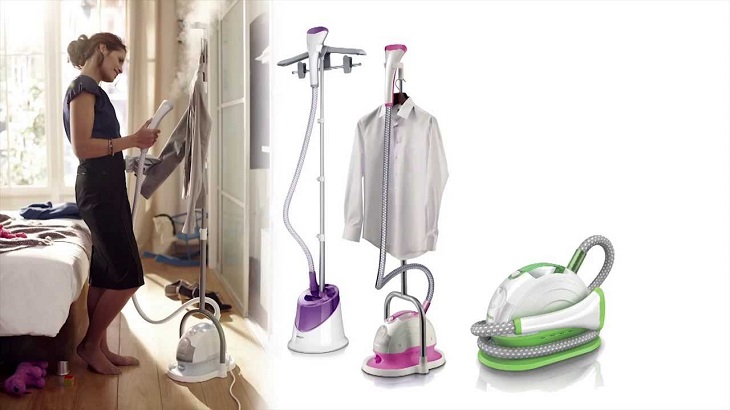
Do not overuse fabric softener. It can change the feel of the finish and may leave residue over time. A prompt removal from the dryer helps; folding straight away helps more. If you like a very tidy linen or cotton bed, a light pass with a steamer can be useful for the visible top edge and pillowcases. Our guide to the best clothes steamers explains where a steamer helps and where an iron remains the better tool.
How many sheet sets should you own?
Two sets per bed is the practical answer for most homes. One can be on the mattress while the other is washed, dried, and put away. A third set is helpful for a guest room, a child who has frequent spills, or anyone who wants a seasonal material change. It is better to own two sets you can wash without anxiety than one expensive set that leaves you with a laundry deadline.
For a cold bedroom, sheets are only one layer of the decision. If you are considering electric bedding, read our guide to electric blankets for the safety, control, and care details that matter more than simply piling on heavier sheets.
What we considered
We compared current maker and retailer documentation for fiber content, weave, fitted-sheet depth, included pieces, care instructions, and certification information. The recommendations deliberately cover different sleep preferences and budgets instead of pretending one sheet can suit every sleeper. We checked that the sets were findable on Amazon when this guide was updated. We did not run independent wash cycles, abrasion tests, or sleep trials, and we do not treat a manufacturer’s thread count or comfort language as a universal performance result.
Bed-sheet questions answered
What is the best fabric for hot sleepers?
Start with percale cotton if you want a crisp, breathable feel. Linen is another useful direction if you enjoy more texture and a casual look. Sateen is usually the wrong first choice for someone who already knows they sleep warm, though room temperature and personal preference matter.
Is a higher thread count always better?
No. Thread count does not tell you enough about the fiber, weave, finish, or fit. A lower-count percale can be exactly right for a warm sleeper, while a higher-count sateen may be better for someone who wants a smoother surface.
Should I buy sheets with a flat sheet?
Buy the configuration you will use. A flat sheet is useful for people who like a traditional made bed or want a lighter layer between them and a blanket. If you always kick it to the foot of the bed, a fitted-sheet set saves storage and laundry.
How do I know whether a fitted sheet will fit?
Measure the mattress after adding your protector and topper, then compare that height with the product’s stated pocket depth. Aim for some room below the maximum depth rather than buying at the limit.
The practical choice
Choose The Company Store Supima Percale for a crisp, cooler cotton sheet with generous fitting options. Choose Brooklinen Luxe Sateen if smoothness and drape matter more than a matte finish. Choose Quince linen if texture and a relaxed bed are the appeal, and choose Threshold Performance when a functional, lower-cost cotton set is the sensible move. Pick the feel you want to wake up in; the rest follows from that.
Before the return window closes, wash one fitted sheet using your normal detergent and dryer setting. That simple check reveals shrinkage, elastic tension, and whether the fabric finish still feels comfortable after laundering.