Indoor plant accessories are easy to overbuy. A shelf full of misters, fertilizer bottles, decorative stakes, moisture probes, and novelty pots does not fix a plant that is in the wrong light or sitting in wet soil. The useful accessories solve a specific problem: they give a plant enough light, make watering easier to judge, protect the room from runoff, or let you keep the plant clean and trimmed.
Start with the condition that is holding a plant back. The Soltech Aspect LED Growlight is worth the money for a room that does not provide enough natural light. The LECHUZA CUBE Color 14 is a clever self-watering planter for a small herb or flowering plant that comes in a standard grow pot. The Fiskars Solid Micro-Tip Pruning Snips are the basic maintenance tool to own once you have more than a few plants. The AcuRite Indoor Temperature and Humidity Monitor is useful only when a particular room is difficult to read and you need to see its temperature and humidity pattern rather than guess at it.
None of those accessories is a substitute for a pot with drainage, a saucer that protects the surface below it, and a plant whose light needs match its location. If the plant has a dark corner and needs sun, buy a suitable plant or add a real grow light. If it is yellowing because its soil is wet every week, a prettier watering can will not help. The right accessory removes a repeated source of friction. Everything else can wait.
Our picks at a glance
| Pick | Buy it for | Why it earns a place | Skip it if |
|---|---|---|---|
| Soltech Aspect LED Growlight | Plants in a genuinely low-light room | A purpose-built hanging grow light with a timer, 15-foot cord, and small or large output options. | Your plant already gets the right natural light, or you cannot place the fixture safely. |
| LECHUZA CUBE Color 14 | Small kitchen herbs in their grow pots | Its wick system and 0.4-liter reservoir make a small pot easier to manage without immediate repotting. | Your plant needs a larger pot, dislikes consistent moisture, or does not arrive in a 10- to 12-cm grow pot. |
| Fiskars Solid Micro-Tip Pruning Snips | Dead leaves, light shaping, and tight cuts | Stainless steel micro-tip blades, spring action, and a lock make them practical for routine trimming. | You need to cut woody branches or thick stems; buy a larger pruning tool for those jobs. |
| AcuRite Indoor Temperature and Humidity Monitor | A plant corner with recurring dry-air, heat, or draft questions | It displays temperature and humidity plus daily highs and lows in a small, simple unit. | You are hoping a number on a screen will replace checking the plant and its soil. |
Before you buy an accessory, identify the actual plant problem
Most indoor plant problems come back to a short list: insufficient or excessive light, water that arrives too often or not often enough, poor drainage, a pot that is too small, or a room that is too hot, cold, or dry for the species. Look at the plant before shopping. Pale new growth, long gaps between leaves, and a plant leaning hard toward a window often point to inadequate light. Yellowing and dropping leaves can come from water stress, but those symptoms are not a diagnosis by themselves. Check the soil, the roots if you are repotting, and the plant’s specific care requirements.
Light comes first because it changes everything else. A plant in stronger light tends to use water differently than the same plant in a dim room. The University of Maryland Extension notes that indoor light intensity drops quickly with distance from its source, and that curtains, trees, window direction, season, and even window cleanliness can change what reaches a leaf. “Bright room” is not a measurement. A south-facing window can be intense at the glass and much less useful a few feet back.
Watering should follow the plant and its soil, not the day of the week. Check the growing medium, learn how the pot feels when it is dry versus freshly watered, and make sure excess water can leave the container. A pot without drainage can work only with very careful watering. For most people, it creates a problem that does not need to exist. A plastic nursery pot inside a decorative cachepot is fine, provided you remove it to water, let it drain, and empty any water left in the outer pot.
Choose plants that fit the room where they will live. A grow light can expand your options, but it should not become an excuse to put a high-light plant in a hallway and hope for the best. Our indoor houseplant guide is a useful starting point for thinking about plant type and placement. Then buy the one accessory that removes the biggest obstacle.
For rooms that need more light: Soltech Aspect LED Growlight
The Soltech Aspect LED Growlight is the accessory to buy when natural light is the limiting factor and you want a fixture that can live in a room rather than look like a temporary seed-starting setup. Soltech sells the Aspect in small and large versions. The company lists the small at 20 watts and the large at 40 watts, with 1,500 and 3,000 lumens respectively, a 3,000 K warm-white appearance, and a 15-foot fabric cord. It includes an outlet timer and hardware for hanging.
The most useful thing about the Aspect is not a single specification. It is the complete setup. An effective grow light has to be placed at a workable distance, left on for an appropriate period, and positioned so leaves actually receive the light. A good fixture plus a timer is easier to run consistently than a bulb in an inconvenient lamp or a light you remember to switch on only when you notice the plant.
Do not use grow-light distance as a universal recipe. Soltech’s own guidance for low-light plants, for example, gives a 48- to 60-inch hanging range for the large Aspect. That may be a starting point for that fixture and that type of plant, not a rule for every plant or every grow light. The relevant variables are the fixture, its height, the plant’s light requirement, and the hours it runs. Watch the plant’s response over several weeks rather than moving the light every day.
Plants also need a dark period. University of Maryland Extension advises keeping total illumination below 16 hours per day, especially when artificial and natural light are combined. Use the included timer to make the schedule boring and repeatable. A plant placed by a window may need a modest supplement in winter. A plant kept in a genuinely dark area needs a more deliberate daily schedule. More light is not automatically better; too much direct or close artificial light can damage foliage.
Choose the small Aspect for a small plant grouping, a shelf, or a compact spot where you can hang it at a useful height. Choose the large only when the plants and placement justify it. Skip the Aspect if the plant already gets enough correct natural light or if you cannot secure the cord and fixture safely. Keep cords away from water, do not drape a fixture over foliage, and use the hanging hardware on a surface that can support it. A beautiful light installed carelessly is still a bad accessory.
For grocery-store herbs and small grow pots: LECHUZA CUBE Color 14
The LECHUZA CUBE Color 14 is most useful for a very specific situation: a small herb or flowering plant that arrives in a standard grow pot and needs a more forgiving home on a kitchen counter or windowsill. The CUBE Color 14 is about 14 by 14 by 13.5 centimeters, is designed for 10- to 12-centimeter grow pots, and has a 0.4-liter water reservoir. Its wick irrigation system lets the existing grow pot sit inside rather than forcing an immediate repot.
That last point matters. Repotting can be useful when a plant is rootbound, its soil is failing, or its nursery pot is not suitable for the room. It is not a ritual that every new plant needs on day one. With the LECHUZA system, you insert the supplied wick into the bottom of the grow pot, place it in the CUBE, and fill the reservoir. The pot stays removable, which makes it easier to inspect, clean, or swap a spent herb for a fresh one.
Self-watering planters are not automatic plant insurance. The reservoir makes moisture more available; it does not erase the difference between basil, rosemary, a small fern, a succulent, and a rooted cutting. Use a system like this for a plant whose needs and pot size match the product. Pay attention to the manufacturer’s setup instructions, observe how the soil behaves, and do not keep topping up water simply because a reservoir exists. A plant that prefers its mix to dry down needs that dry-down period.
The CUBE Color 14 makes more sense than a large self-watering planter for a kitchen herb because it is sized for the plant you actually bring home. It is not the right choice for a large pothos, a mature floor plant, or a plant that needs a deeper, wider root zone. LECHUZA sells larger systems for larger plants, but sizing up just because a bigger planter looks more substantial can leave roots sitting in excess wet mix.
Use a saucer or waterproof tray under any setup where water could reach wood, stone, or a shelf seam. The CUBE Color 14 is intended for indoor use and does not have a drain plug. That makes it clean-looking indoors, but it also means you should fill it carefully and move it only when you know the reservoir is secure. If you prefer a plain nursery pot with drainage and a saucer, that remains a completely good solution. Convenience is the reason to buy this planter, not an obligation.
For routine cleanup and shaping: Fiskars Solid Micro-Tip Pruning Snips
Fiskars Solid Micro-Tip Pruning Snips are the small tool that becomes useful once your plants have dead leaves, spent flowers, or thin stems that are awkward to remove cleanly. Fiskars lists stainless-steel precision blades that cut to the tip, a spring that opens the blades after each cut, SoftGrip touch points, and a lock suitable for either left- or right-handed use. The tool is made for shaping and detailed work in tight spaces.
Use snips for a clear task: removing a fully yellow or damaged leaf, taking off a spent bloom, cutting a thin stem, or making a small clean cut while propagating a plant. Do not keep cutting because a plant looks sparse. Pruning cannot compensate for inadequate light, poor drainage, or an exhausted root system. A plant that is stretching toward the window needs a change in light, not a more dramatic haircut.
Clean the blades before moving from one plant to another, especially if a plant has visible spotting, rot, or a pest problem. Dry the snips after washing so moisture does not sit at the hinge. Keep the lock engaged when the tool is in a drawer. These are basic maintenance habits, but they matter more than buying a separate cutting tool for each plant.
The micro-tip shape is a limitation as well as a strength. It is excellent around thin stems and leaves. It is not for cutting a thick, woody branch, a large indoor palm cane, or a hard support stake. For those tasks, use a properly sized bypass pruner or lopper. Forcing a small precision tool through material it cannot handle can crush the plant tissue and damage the tool.
For a confusing plant corner: AcuRite Indoor Temperature and Humidity Monitor
The AcuRite Indoor Temperature and Humidity Monitor is not an essential accessory for every houseplant owner. It is useful when the same window, shelf, or room keeps raising questions: does the plant sit over a heating vent, do temperatures swing overnight, is a bathroom actually humid outside shower time, or does the air dry sharply when heat is on? Seeing a number and its daily range is more useful than relying on the room’s overall feel.
AcuRite lists a 32 to 122 °F indoor temperature range, daily high and low records for temperature and humidity, and a display that can be wall-mounted, stood upright, or attached magnetically. It uses one AA battery and measures 3 by 2.5 by 1.3 inches. Put it near the plant area but out of direct sun, direct mist, and the immediate path of a heater or air conditioner. Those spots tell you about the appliance, not the general conditions around the leaves.
The monitor is a diagnostic tool. It does not tell you what humidity every plant needs, and it does not mean you should change the whole house to serve one fussy specimen. First check the plant’s preferred range. Then ask whether a simpler change solves the problem: move it away from a vent, group compatible plants, choose a more suitable species, or use a humidifier only when you have a real reason to run one.
Skip a monitor if the plant is thriving and the room is stable. A readable temperature and humidity display can become another thing to watch instead of caring for the plant. Buy it when you need evidence to make a placement decision, not just because it looks like a plant-care accessory.
What every indoor plant setup needs before the extras
A pot with drainage and a surface-safe saucer
Drainage is the non-negotiable part. Plants need oxygen around their roots as well as water. When a pot has a drainage hole, you can water thoroughly, let excess escape, and empty the saucer or cachepot afterward. That is more forgiving than trying to pour a perfect small amount into a sealed decorative vessel every time.
A saucer is not exciting, but it protects furniture and makes the drainage system usable indoors. Choose one wider than the pot’s footprint and sturdy enough not to flex when you lift the plant. On a delicate surface, use an additional waterproof tray or a riser that keeps the planter from trapping moisture underneath. Check under pots occasionally; a hidden damp ring is often discovered too late.
Potting mix that matches the plant, not a generic bag for everything
Buy the potting medium a plant needs when it is time to repot. Succulents and cacti usually need a mix that drains rapidly. Many tropical foliage plants prefer more even moisture but still need air around their roots. Orchids, carnivorous plants, citrus, and African violets can have more specific requirements. A bag labeled “indoor potting mix” may be fine for several common plants, but it is not a universal repair for poor light or overwatering.
Repot when the plant and root system call for it: roots densely circling, water racing through without wetting the medium, a pot that has become top-heavy, or tired soil that no longer handles water well. Move up only modestly in pot size. A dramatically larger pot holds more wet mix around a small root ball, which can slow drying and create a new problem.
A watering method that reaches the soil, not the leaves
You do not need a special watering can for every plant. A small can with a controllable spout is useful for crowded shelves and narrow pots, but any clean vessel that lets you water the soil slowly will work. Aim at the growing medium, water until it drains when appropriate for the plant, and let the container drain before returning it to its saucer or outer pot.
Do not water on a rigid calendar. University of Maryland Extension advises testing the soil and the pot’s weight instead. A finger pushed into the top layer of mix works for many common houseplants. For a prickly cactus or a plant in a deep container, lift the pot, use a chopstick to check farther down, or learn the specific plant’s signals. The accessory you need may be a simple saucer and a better observation habit.
Accessories to skip or buy only when you have a clear reason
Soil moisture meters: A simple probe can be helpful in an unusually deep pot or for a caretaker who cannot judge moisture by touch. It is not a substitute for knowing the plant’s root depth and mix. Readings near the surface can differ from the root zone, and a number without context can lead to automatic watering. Start with soil feel and pot weight; add a probe only if it helps you make a better decision.
Misters: A spray bottle is handy for cleaning leaves, moistening a propagation medium, or applying a treatment according to its directions. It is not a cure for a room that is chronically dry. If humidity is the suspected issue, use a monitor to learn the room’s pattern and make a deliberate change if the plant calls for one.
Fertilizer collections: One appropriate fertilizer is enough for most people. Feeding cannot make up for inadequate light, and too much can build up salts in the potting mix. Follow the plant or fertilizer instructions, avoid applying it to dry soil, and reduce feeding when light and growth are low. Buy a specialty formula only for a plant that genuinely needs it.
Decorative cachepots without a plan for drainage: A sealed pot can look great, but it asks you to manage water perfectly. Use it as an outer cover for a nursery pot, or choose one with a drainage system you understand. Never assume a pot is safe simply because it is marketed for indoor plants.
Automatic watering gadgets for every plant: These make sense for a compatible plant during a short trip or a small grouping with similar needs. They are a bad default for a mixed collection. A thirsty basil plant and a drought-tolerant succulent should not receive the same care just because they share a shelf.
Set up a plant area that is easy to maintain
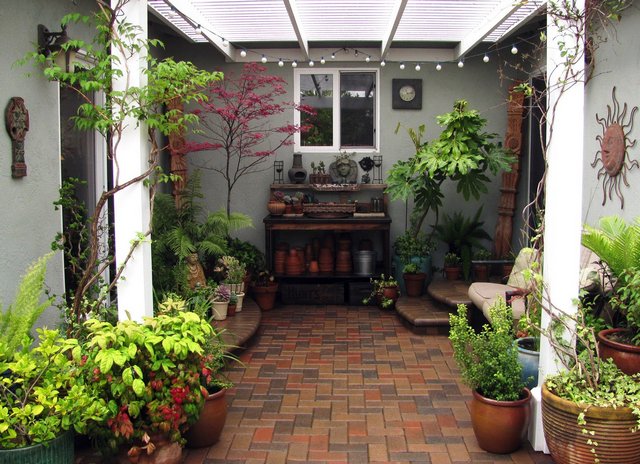
Put plants where you can see them. A forgotten corner is not a low-maintenance setup; it is just hard to inspect. Group plants with broadly similar light and watering needs, keep a small tray or saucer under them, and leave enough room to rotate pots or check soil without knocking leaves into each other. Avoid placing foliage directly against a cold window in winter or over a strong vent.
Use the grow light and monitor only as part of a simple routine. Check plants weekly. Look under leaves for pests, remove dead material with clean snips, and notice if a plant has changed direction toward the light. Add water when the plant needs it. Adjust one thing at a time so you can see what helped. Moving, repotting, fertilizing, pruning, and changing a light schedule on the same day makes it harder to understand the plant’s response.
For more practical plant and home-care ideas, browse SuperGrail’s home and garden guides. Keep the core principle in mind: match the plant to the conditions first, then use accessories to make that match easier to maintain.
How we researched this guide
We compared current manufacturer specifications and setup guidance for the products named here, including the Aspect grow light’s output and supplied timer, the CUBE Color 14’s grow-pot sizing and reservoir, Fiskars’ snip construction, and AcuRite’s monitor range and recorded readings. We also reviewed current university-extension and horticultural guidance on indoor light, drainage, watering, and care. We did not conduct hands-on product testing. The recommendations are based on the job each item is designed to do and the limits a buyer should understand before ordering.
Questions before you buy plant accessories
Do indoor plants need a grow light?
Only if the available natural light does not meet the plant’s needs. Some foliage plants tolerate low light, while flowering plants, succulents, and many sun-loving species need more. Check the plant’s requirements, the window direction, and how far the plant sits from the window before adding a fixture.
Are self-watering planters good for every houseplant?
No. They are useful for plants and pot sizes that suit the system, especially when consistent moisture is helpful. They are less suitable for plants that need a pronounced dry period, for oversized root systems, or for anyone who will refill the reservoir without checking what the plant needs.
How often should I water indoor plants?
There is no universal schedule. Light, temperature, humidity, pot size, growing medium, and plant type all change the answer. Check the soil and pot weight, then water according to the plant’s needs. A plant in a cool, dim room will often use water more slowly than the same plant in brighter, warmer conditions.
Do I need a humidity monitor for houseplants?
Not for a stable room where plants are doing well. It is useful when you are diagnosing a recurring problem or placing humidity-sensitive plants near heating, air conditioning, a bathroom, or a sunny window. Use the reading to guide a placement decision, not as a reason to chase a perfect number.
What to buy
Buy the Soltech Aspect if insufficient light is the reason your plant collection struggles. Buy the LECHUZA CUBE Color 14 for a small, compatible herb pot that would benefit from a contained wick-reservoir setup. Buy the Fiskars Solid Micro-Tip Pruning Snips for clean routine maintenance. Buy the AcuRite monitor only if a particular plant area keeps behaving differently from the rest of the room.
For everything else, keep it simple: drainage, a saucer, a potting mix that fits the plant, and a watering routine based on the soil rather than the calendar. That is the indoor plant kit most collections actually need.