
Everyone loves a clean house, but does anyone loves to clean their house?
While some of us enjoy cleaning our house, washing the dishes, or ironing our clothes, as it is part of our everyday household chores, most would agree that having it done is a lot of work to do. One great way to organize your chore chart is to make a list of the things should be done regularly, weekly, and monthly. Making beds, washing dishes after meals, and vacuuming dirt are part of our daily routine which prevents us from clutters and ready for guests anytime. Taking care of our laundry, floor moping, and scrubbing the toilet can be done on a weekly basis so that members of the family can help us with small chores. Whereas, changing your beddings, wiping your furniture, and sorting your closet and dresser can be a monthly task.
History of Vacuum Cleaner
-
Manual Vacuum
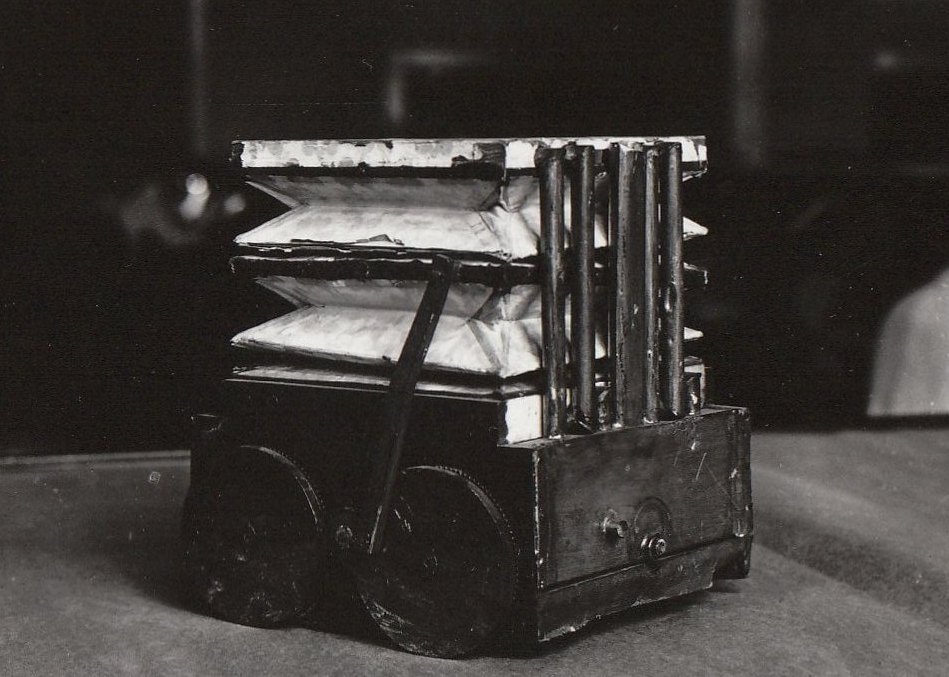 The evolution of vacuum cleaner starts from the carpet sweeper or hoover.It is a device that uses an air pump to suck up dirt and dust from the floor, furniture, curtains, and all kinds of cloth. The first manual cleaner was invented in the late 60s by Daniel Hess from West Union, Iowa. The carpet sweeper collected dirt and dust through the rotating brush and bellows to generate suction.
Another model called “Whirlwind” was developed in 1869 by Ives Mcgaffey from Chicago. This is a bulky device and hard to operate but still commercially marketed and later was used to create a similar model in 1876 by Melville Bissell from Grand Rapids, Michigan.
-
Powered Vacuum
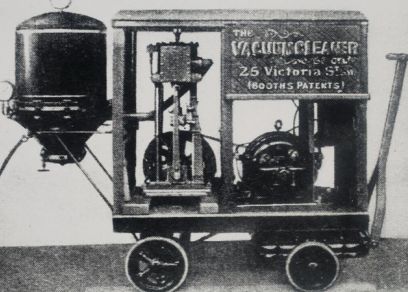 The first motorized vacuum designs were made in the 20th century. This air blowing device known as pneumatic carpet renovator was patented by John Thurman of St. Louis, Missouri while another blown air system originally made by Corrine Dufour of Savannah, Georgia.
British engineer Hubert Cecil Booth and American invertor David Kennedy created a powered vacuum cleaner that uses air pump suction with a cloth filter and a steam engine system with pipes and hoses to reach every part of the building.
-
Domestic Vacuum
 The portable vacuum cleaner was first built in 1905 by Walter Griffiths in Birmingham, England. It is a modern- vacuum apparatus which has been improved to remove dust from carpets that is easy to store and handle.
James Kirby developed vacuums in 1905 that used water for dirt separation called “Domestic Cyclone”, but was later modified as Kirby Vacuum Cleaner. The first electric portable vacuum cleaner was invented by James Murray Spangler of Canton, Ohio in 1907 but due to lack of fundings, he sells the patent to William Henry Hoover, owner of Hoover Company. Their Model O upright vacuum cleaner includes beater bar and filter bags disposal.
The Fisker and Nielsen located in Denmark, Europe was the first company to sell vacuum cleaners in 1910 while Electrolux released their Model V with a feature of two thin metal runner enabling it to lie on the floor. Other companies like Vortek, started to market vacuum cleaners in 1930 through direct sales.
Types of Vacuum Cleaner
Vacuum cleaners vary in sizes depends if it used for homes or industries. The 10 Different Types of Vacuum Cleaners are as follows:
-
Upright Vacuum Cleaner
Upright designs take the form of a cleaning head which the handle and bag are attached to it. The beater bar serves as a dirt remover through the rotational sweeping and vibration. The most common upright vacuum cleaner uses a belt to drive power to the suction motor enable for the brush roll to rotate. There two types of upright; direct fan and bypass fan. Direct fan vacuum cleaners have large blade fans and short air paths that make the dirt passes directly and efficiently without requiring a high amount of power to make effective cleaning on carpets. On the other hand, bypass fan vacuum cleaner is recommended for above-floor cleaning since the fans are smaller which need much power and are less efficient than the direct fan, although the suction does not reduce even with a distant hose.
-
Canister Vacuum Cleaner
Canister often called Cylinder models have powerheads, that can be changed into other kinds of heads depending on the task to be performed. The motor and dust collector is mounted on the wheels and is connected to the head through a flexible hose making it efficient on carpets.
-
Drum Vacuum Cleaner
The drum is the heavy duty version of the canister vacuum cleaner. It consists of a large drum vertically positioned on the wheels that store up to 200 litres hooked to a compressed air to created partial vacuum in may workshops.
-
Wet and Dry Vacuum Cleaner
Wet and Dry are generally designed to clean up wet or liquid dirt that can be used for indoors and outdoors. It is in the form of drum models that has an exhaust port or blower that can be attached to reverse the airflow clearing the hose to make blowing dust easier.
-
Pneumatic Vacuum Cleaner
A pneumatic is a form of wet and dry models that is hooked up to compressed air used to accommodate industrial and manufacturing plants.
-
Backpack Vacuum Cleaner
The backpack is a small canister vacuum carried by users to move quickly in the large area and commercial cleaning.
-
Handheld Vacuum Cleaner
Handhelds are lightweight battery-powered or mains-powered vacuum cleaners use for cleaning wet and dry spills. It is advised to disassemble the device after cleaning wet material to avoid unwanted odours.
-
Robotic Vacuum Cleaner
Robotic is a form of carpet sweeper that consists of brusher and vacuum motor which works alone in collecting dust. It can steer around floors and furniture and return to the dock to charge and empty their dustbin. It can also be used in office, hospital, and other appropriate operation aside from cleaning our houses. The first robotic vacuum cleaner has the strongest impeller with the ability to scan and map the surface using a rotating rangefinder laser that was launched by Neato Robotic in December 2009.
-
Central Vacuum Cleaner
Central is commonly located in the centre of the building connected to metal or plastic pipes to inlets installed throughout the premises. It has a motor and dirt filter and the only thing needed to be carried in order to clean a room is the head and hose. A greater suction is an effect of having a central vacuum cleaner with its large fan and motor, it can remove all the dirt in the central unit. Also, with a big dirtbag, emptying can be done few times a year, not to mention the lesser noise it gives because of the remote location of the central vacuum cleaner.
-
Constellation Vacuum Cleaner
Constellation was marketed in the 1960s by the Hoover Company introducing a vacuum cleaner that floats on its exhaust and hovercraft operated which has a rotating hose and spherical shape intended to be placed in the centre unit of the room. The updated version is quiet, includes filtration bag, brush tool, motor, and redesigned handle.